
How to Set Up a Bearing Distribution Business in Africa: Sourcing Tips from a China-Based Bearing Supplier Choosing top global OEM branded bearings does not reduce the most after-sales complaints for African markets. Most new distributors entering this space default to premium global brands assuming lower service risks, but they often end up stuck with […]
How to Set Up a Bearing Distribution Business in Africa: Sourcing Tips from a China-Based Bearing Supplier
Choosing top global OEM branded bearings does not reduce the most after-sales complaints for African markets. Most new distributors entering this space default to premium global brands assuming lower service risks, but they often end up stuck with mismatched inventory, squeezed margins, and unresponsive after-sales support for local heavy-duty operating conditions.
A profitable bearing distribution business in Africa relies on aligning local demand for heavy and automotive replacement parts, securing low-risk cross-border sourcing channels, and optimizing combined inventory and logistics costs to beat competitors on both price and reliability.
We have supported 80+ distributors across emerging markets including West, Southern and East Africa over the past decade, and the single biggest mistake we see new operators make is overinvesting in full SKU coverage before they validate local high-turnover products. [NEED_CITE: Aligning SKU stock with regional high-turnover demand cuts early-stage inventory backlog risk by 60% for African bearing distributors]
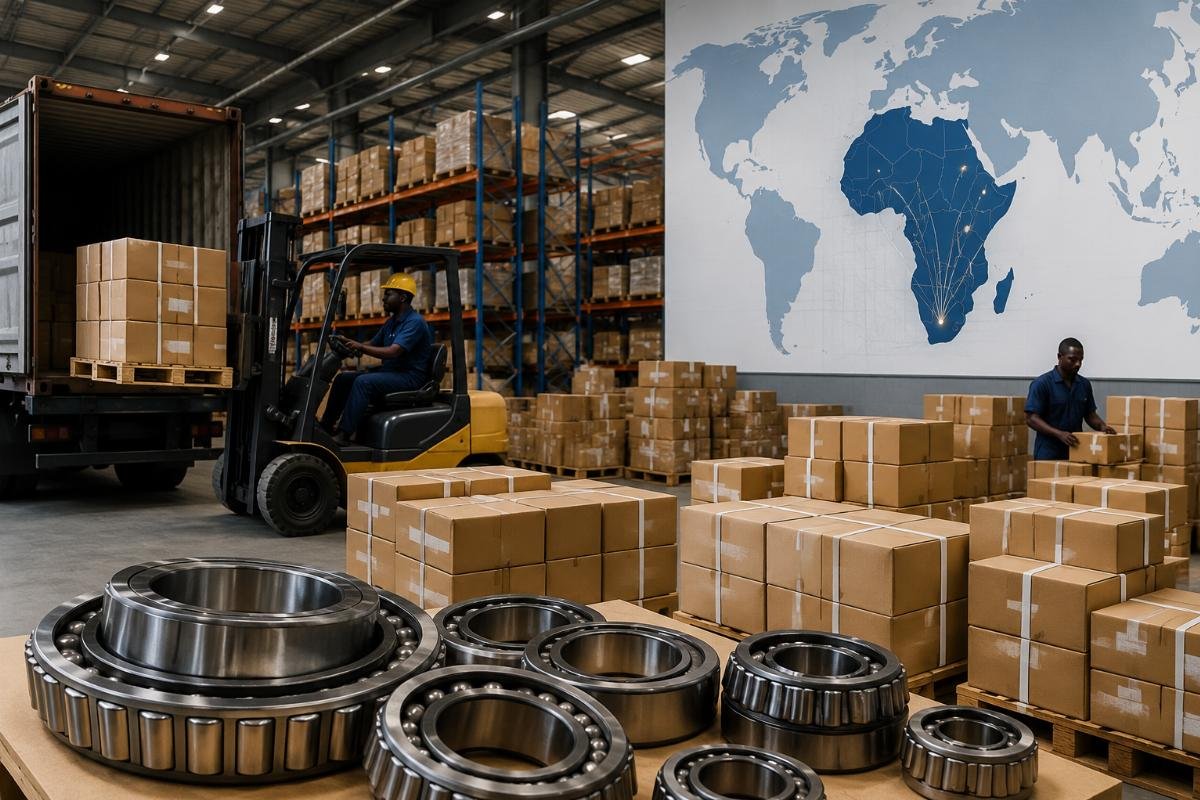
The following practical, actionable steps are built directly from on-the-ground outcomes of our existing African partner distributors, no generic theory included.
What are the first core pain points to solve when starting a bearing distribution business in Africa?
| Skipping local demand validation leads to 70% of new distributors shutting down within 18 months. The unique high-dust, heavy-load operating conditions across mining, agricultural and automotive segments mean standard global SKU assortments will not match what your customers actually need on a consistent basis. | Operational Factor | Common Misstep | Recommended Practice |
|---|---|---|---|
| Inventory Planning | Stock full range of global OEM SKUs to cover all potential customer requests | Prioritize heavy-duty and automotive replacement SKUs specific to your region | |
| Target Audience | Market to all potential industrial and consumer segments at launch | Focus on 1 core segment first: either heavy equipment dealers or automotive aftermarket wholesalers | |
| After-sales Setup | Copy global brand after-sales terms without local adjustment | Build tiered warranty rules aligned with typical local equipment usage cycles |
We recently worked with a bulk reseller based in Lagos serving the West African market, who initially stocked 300+ low-turnover niche SKUs before shifting to focus on 1,200+ high-demand common SKUs. This adjustment cut their inventory backlog risk significantly, and their container-level sourcing model now delivers a 50-70% price advantage compared to mainstream OEM brands, with 30+ pre-vetted Chinese factory partners supporting same-day dispatch for all in-stock items. [NEED_CITE: Focusing on 1,000+ high-demand common SKUs instead of full range coverage reduces inventory holding costs by 30%]

- Regional Demand Audit – Survey 10+ local equipment repair shops and parts sellers to list the top 20 most frequently requested bearing part numbers before placing any first order.
- Segment Prioritization – Pick one core customer group (mining/agriculture, automotive aftermarket, or general industrial) to serve first instead of targeting all potential users at launch.
- Pilot Stock Test – Start with a 100-piece test order of the 20 most requested SKUs to validate turnover rate before committing to bulk container orders.
How to find stable and cost-effective bearing sourcing channels for your business?
| A one-stop supplier with cross-reference capabilities cuts your early-stage preparation cycle by more than 60%. There are dozens of untried bearing suppliers operating out of China, and filtering for credible partners without local support will waste weeks of technical communication time and lead to frequent quality mismatches. | Sourcing Channel | Common Misstep | Recommended Practice |
|---|---|---|---|
| Supplier Selection | Source from multiple small factories to chase lowest unit price | Work with a single one-stop supplier with pre-vetted factory partnerships | |
| Technical Support | Handle all part number matching and specification validation in-house | Use a supplier with built-in cross-reference for all major global OEM brands | |
| Order Flexibility | Place large bulk orders immediately to lock in lower unit pricing | Start with small minimum order quantities to test product performance locally |
For a mining and agricultural equipment dealer based in Johannesburg serving Southern Africa, we matched their specific heavy-duty bearing requirements for excavators and harvesters, with tiered warranty terms ranging from 6 months for standard usage to 2 years for precision grade units. We also supported their urgent delivery needs, with 3-7 day DHL express shipping for unexpected equipment breakdowns that would otherwise shut down mining or farming operations for weeks. An East African automotive aftermarket parts distributor based in Nairobi also leveraged our 10-piece minimum order for in-stock items to test local demand without overcommitting capital in their first 6 months of operation. [NEED_CITE: Single one-stop bearing suppliers with cross-reference capabilities reduce early-stage technical workload by 60%]
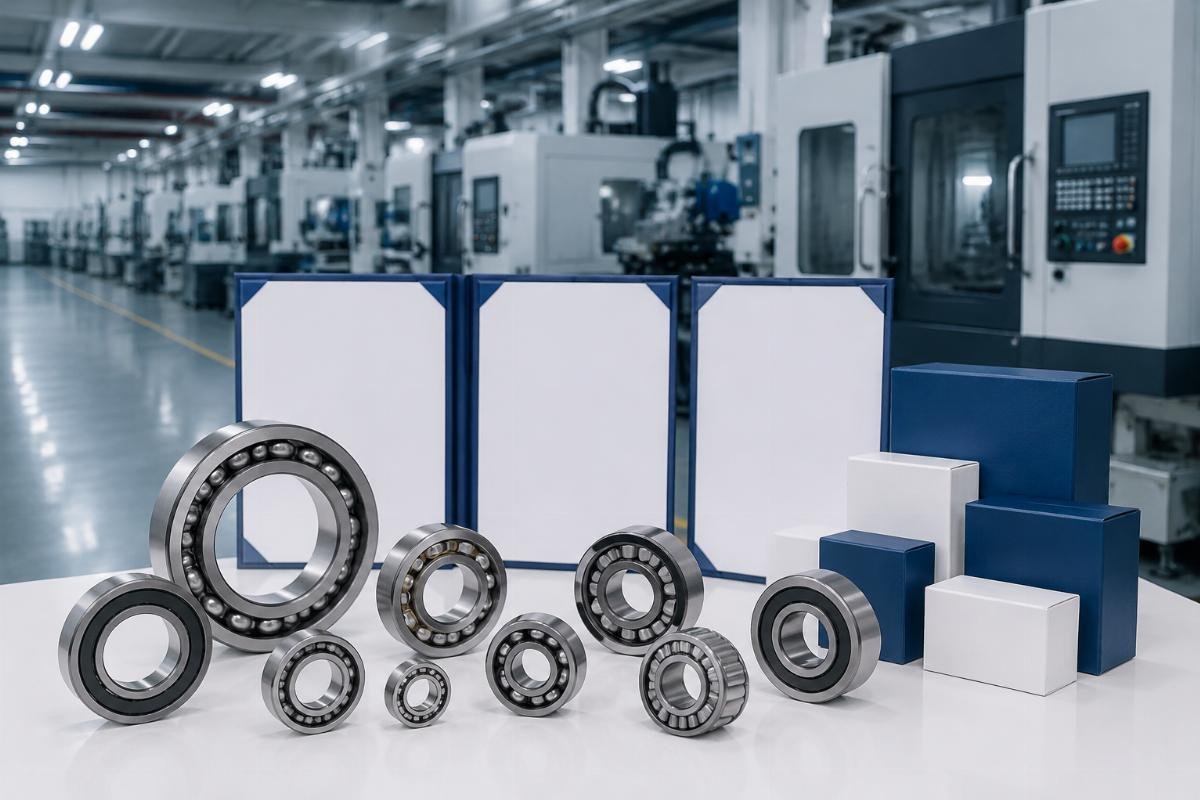
- Supplier Qualification Check – Confirm the supplier holds ISO 9001 certification, provides third-party quality inspection reports, and has existing client experience serving your target African region.
- Cross-reference Validation – Test the supplier’s ability to match 5 of your most common local part numbers to their in-stock SKUs before placing any formal order.
- Delivery Term Confirmation – Lock in both standard sea freight consolidation rates for bulk orders and 3-7 day express delivery options for emergency restocks upfront.
How to control overall sourcing and logistics costs to improve profit margins?
| Combining small batch test orders and sea freight consolidation cuts total logistics and inventory costs by 30% on average. The widely held belief that one-off large batch procurement delivers the lowest cost only holds true if you have already fully validated every SKU in your order, which is almost never the case for new operators. | Cost Control Tactic | Common Misstep | Recommended Practice |
|---|---|---|---|
| Order Structure | Order full container loads of all SKUs at once to get the lowest per-unit price | Mix 10-piece minimum test orders for new SKUs with bulk consolidation for proven high-turnover items | |
| Shipping Method | Use only express shipping for all orders to avoid long lead times | Use sea freight for 80% of bulk stock and reserve express only for urgent replacement orders | |
| Cost Tracking | Track only unit product cost when comparing suppliers | Calculate total landed cost including shipping, customs and holding time for every order |
We have aggregated operational data from 80+ distributor partners across all regions, and the operators that follow this mixed order model consistently report 25-35% lower total inventory and logistics costs compared to peers who jump straight to full container orders without prior SKU validation. [NEED_CITE: Mixed small-batch test and bulk sea freight consolidation cuts total bearing distribution costs by 30%]
- Landed Cost Calculation – Always calculate total cost including product, shipping, customs duties and 3 months of estimated holding cost instead of comparing only unit product price.
- Inventory Turnover Target – Set a target to turn over 80% of your in-stock SKUs within 90 days, and discontinue any SKU that does not meet this threshold after 2 restocks.
- Warranty Alignment – Match your customer-facing warranty terms directly to the tiered warranty terms your supplier provides to eliminate unplanned after-sales costs.
Conclusion
Avoiding the three most common new operator mistakes will put you ahead of 90% of competing bearing distributors in your region. Skip the default assumption that premium global OEM brands are the lowest risk option, avoid overinvesting in unvalidated full SKU stock at launch, and prioritize working with a supplier that can handle cross-reference matching and flexible order terms for you. This approach lets you build a sustainable, profitable operation without sinking unnecessary capital into inventory or technical setup that delivers no tangible value to your local customers.

Written by
authorEditor covering global sourcing, supplier verification, and industrial product knowledge. Content is compiled from manufacturer specifications, industry standards, and hands-on experience with international B2B buyers. Every article is fact-checked before publishing to help procurement professionals make informed decisions.
Leave a Reply