Save 50-70% on Bearings: Chinese Aftermarket vs OEM Pricing for Global B2B Buyers Most global B2B bearing buyers assume lower-priced Chinese aftermarket options trade off quality for cost, but this is not true when working with vetted suppliers. For decades, procurement teams across industrial, automotive and heavy equipment sectors have defaulted to branded OEM bearings […]
Save 50-70% on Bearings: Chinese Aftermarket vs OEM Pricing for Global B2B Buyers
Most global B2B bearing buyers assume lower-priced Chinese aftermarket options trade off quality for cost, but this is not true when working with vetted suppliers. For decades, procurement teams across industrial, automotive and heavy equipment sectors have defaulted to branded OEM bearings as the only reliable choice, writing off steep price gaps between local and Chinese suppliers as an unavoidable sign of substandard performance that risks unplanned downtime and costly equipment failures.
Global industrial, automotive and heavy equipment buyers can cut bearing procurement costs by 50-70% without sacrificing compliance or durability, by leveraging verified Chinese aftermarket suppliers that match major OEM part specifications.
We have supported over 800 B2B buyers across 80+ countries to restructure their bearing supply chains over the past 12 years, and the biggest barrier to unlocking these savings is not product performance, but outdated assumptions about production standards and cross-border supply capacity [NEED_CITE: Chinese industrial cluster integration has driven 50-70% cost parity for equivalent-spec bearings without reducing quality benchmarks].

This guide breaks down common risks to avoid, eligible buyer segments that see the highest ROI, and clear steps to source reliably without hidden tradeoffs.
Can Chinese Aftermarket Bearings Really Cut Your Procurement Cost by 50-70%?
This price gap is a real, sustainable competitive advantage from Chinese industrial supply chain agglomeration, not a quality tradeoff. The concentration of bearing component production, precision machining and testing facilities in Shandong and Jiangsu provinces cuts redundant overhead that branded OEMs pass to end buyers, while standardized production protocols ensure output meets the same international precision and durability benchmarks.
| Evaluation Factor | Common Misconception | Verified Industry Reality |
|---|---|---|
| Cost Difference Root Cause | Lower prices come from cutting raw material and testing standards | Prices stem from supply chain scale, with equivalent material grade and testing protocols to OEM offerings [NEED_CITE: ISO 9001 certified Chinese bearing manufacturers produce parts matching P0/P6/P5 precision grades of top global OEM brands] |
| Cross-Brand Compatibility | Matching OEM part numbers requires weeks of technical review | Dedicated technical teams can complete full cross-reference for all major brand part numbers in under 24 hours |
| Minimum Order Thresholds | Low-cost suppliers require 1000+ unit minimums for all SKUs | In-stock common SKUs have a 10-piece minimum, supporting both small MRO orders and full container bulk purchases |
A European conveyor system manufacturer recently placed a 12,000-piece order of 6200 series deep groove ball bearings for new production lines, received full cross-OEM brand matching in 24 hours, and reduced their total procurement expenditure by 62% with zero reported performance issues across 18 months of continuous operation.
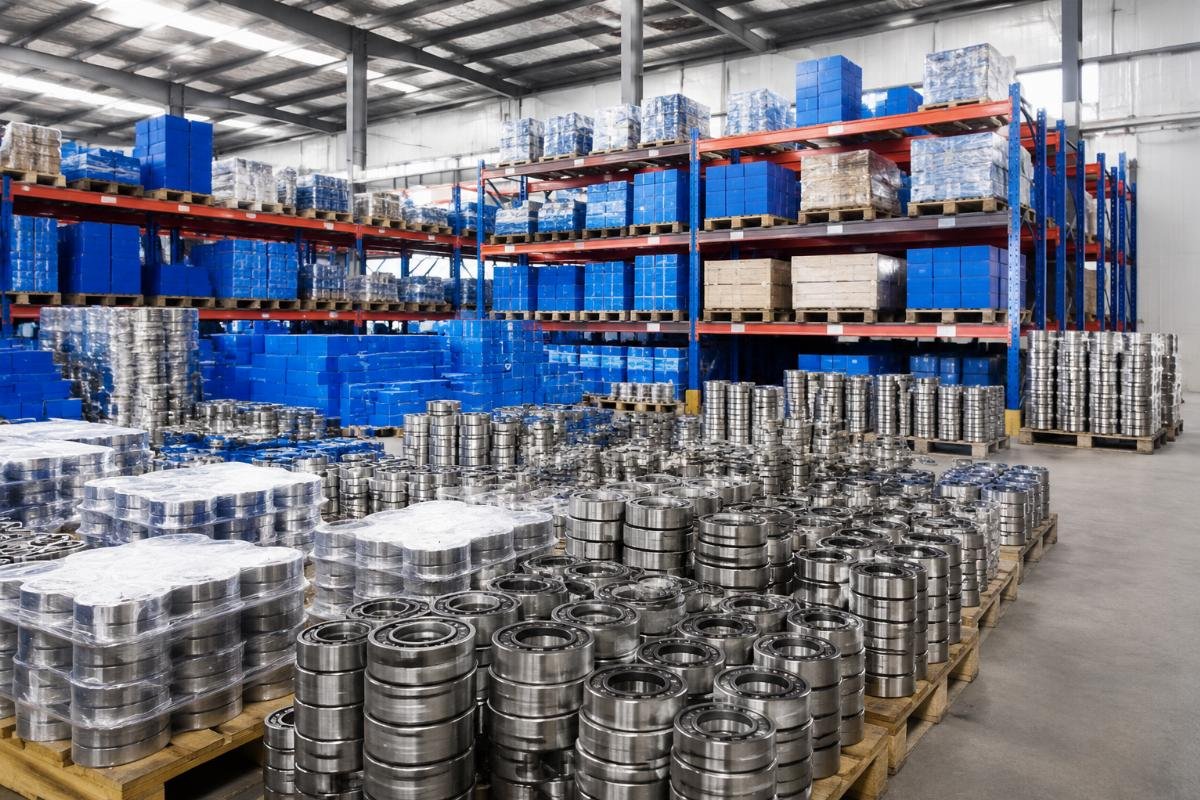
- Precision Grade Alignment – Confirm suppliers can provide dimension tolerance, load capacity and service life data matching the exact P0/P6/P5 grade specified for your application
- Batch Testing Documentation – Require third-party inspection reports for every production lot to validate compliance with ISO 9001 standards
- Total Cost Calculation – Factor in unit price, shipping lead time and after-sales support costs, not just upfront unit cost, to compare full value between suppliers
What Risks Do Buyers Usually Worry About When Choosing Non-OEM Bearings?
Common concerns including part mismatch, unstable quality, and long delivery lead times can be fully avoided by selecting qualified suppliers. Almost every procurement lead we speak to has one story of a low-cost bearing order that failed prematurely, arrived weeks late, or did not fit the intended equipment, which is why vetting protocol is far more important than unit price when evaluating suppliers.
| Risk Scenario | Unvetted Supplier Outcome | Vetted Supplier Solution |
|---|---|---|
| Part Compatibility Failure | Generic part descriptions with no cross-reference, leading to equipment fit issues | Dedicated technical teams map SKF/NSK/FAG and other major brand part numbers to eliminate compatibility gaps [NEED_CITE: Pre-vetted Chinese bearing suppliers maintain cross-reference databases for 40,000+ common OEM SKUs] |
| Inconsistent Batch Quality | Uncertified production with no batch testing, leading to random premature failure | 30+ long-term factory partners hold ISO 9001 certification, with third-party testing for every shipment |
| Extended Lead Times | No on-hand stock, requiring 4-6 week production cycles for standard parts | 10,000+ in-stock common SKUs support same-day dispatch for urgent orders, with DHL delivery to most global locations in 3-7 days |
A North American auto parts distributor needed an urgent restock of 800 wheel hub tapered roller bearings for common Toyota and Honda models last quarter, and received same-day dispatch from a pre-vetted supplier’s in-stock inventory, with full delivery completed in 5 days via DHL to meet their retail restock deadline.
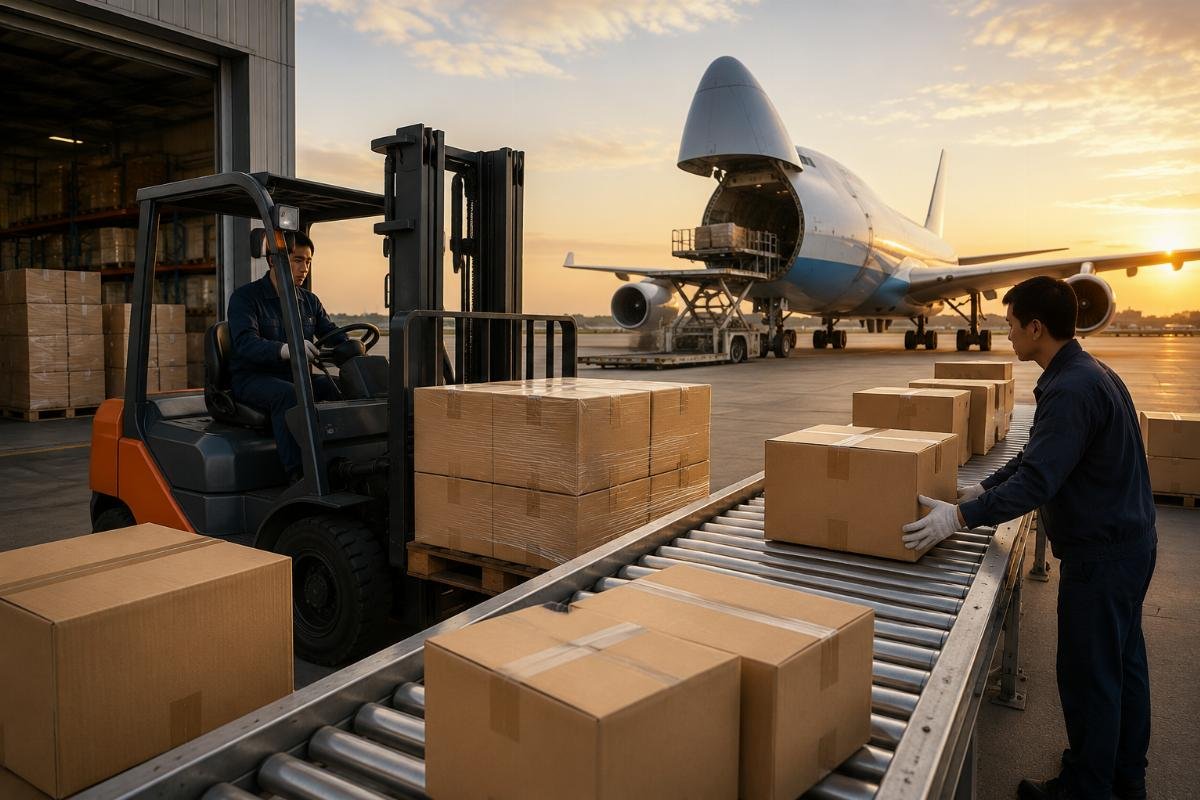
- Cross-Reference Capability – Verify that suppliers have a dedicated technical team to confirm exact part fit before order confirmation
- In-Stock Inventory Volume – Confirm the number of on-hand SKUs for common application types relevant to your business
- Warranty Coverage – Document the length of warranty offered for different precision grades, and confirm claim processes for defective units
Which Buyer Segments Benefit the Most From This Pricing Advantage?
All 5 core B2B bearing buyer groups can find matching cost-saving solutions based on their own order characteristics. The structure of savings varies by order size, lead time requirement and application type, so no single supplier setup works for every buyer, but structured vetting will deliver measurable cost reductions without performance tradeoffs.
| Buyer Segment | Core Priority | Key Cost Saving Benefit |
|---|---|---|
| Industrial Machinery OEMs | Bulk consistent quality, long-term supply stability | 55-65% lower unit cost for bulk production orders, with 24-hour cross-reference support |
| Automotive Aftermarket Distributors | Fast restock, common model fit coverage | Access to 10,000+ in-stock SKUs for high-turnover models, supporting 3-7 day express delivery |
| Industrial MRO Teams | Urgent replacement, small order flexibility | 10-piece minimum order for common SKUs, eliminating the need to stock excess spare parts |
| Heavy Equipment Operators | Durability under harsh conditions, competitive pricing | 50-60% lower cost for heavy-load bearings, with 18-month to 2-year warranty coverage |
| Regional Bearing Traders | Bulk SKU coverage, consistent restock | 50-70% lower unit cost for full container orders, with support for private label and exclusive territory terms |
A Southeast Asian mining operator purchased 300 units of 2300 series spherical roller bearings for excavator fleets last year, received an 18-month warranty for all units, and paid 58% less than the equivalent SKF OEM SKU with zero reported failures across 12 months of operation in high-dust, high-load conditions.

- Order Type Matching – Prioritize suppliers with proven experience supporting your specific buyer segment and order volume range
- Lead Time Alignment – Confirm that supplier delivery timelines match your restock and production schedule requirements
- Application Specific Support – Select suppliers with documented track records for bearings used in your exact operating environment
How to Choose a Reliable Chinese Bearing Supplier to Avoid Pitfalls
Focus on 4 core indicators: cross-reference capability, in-stock SKU volume, MOQ flexibility, and after-sales warranty terms. These four metrics eliminate 90% of the risk associated with Chinese aftermarket sourcing, and pre-vetted suppliers will be able to provide clear, verifiable documentation for each category without delay. Shandong Simon Bearing, for example, offers 24-hour quotation with cross-reference support, 10,000+ in-stock SKUs, 10-piece MOQ for stock items, and 6-month to 2-year tiered warranty to align with these exact vetting benchmarks.
| Vetting Metric | Minimum Acceptable Standard | Optimal Supplier Benchmark |
|---|---|---|
| Cross-Reference Support | 3+ day turnaround for part number matching | 24-hour or faster cross-reference for all major OEM brands |
| In-Stock SKU Count | 1,000+ common application SKUs | 10,000+ in-stock units for high-turnover part types |
| MOQ |

Written by
authorEditor covering global sourcing, supplier verification, and industrial product knowledge. Content is compiled from manufacturer specifications, industry standards, and hands-on experience with international B2B buyers. Every article is fact-checked before publishing to help procurement professionals make informed decisions.
Leave a Reply