
How to Secure Container Load Deals for Bearing Distributors: Multi-SKU Bulk Pricing Tips From China Suppliers Most multi-SKU bearing container deals do not require 100+ pieces per SKU to qualify for bulk discounts. For global bearing distributors targeting cost-competitive bulk sourcing across the Middle East, Africa, Latin America and Central Asia, the long-held assumption that […]
How to Secure Container Load Deals for Bearing Distributors: Multi-SKU Bulk Pricing Tips From China Suppliers
Most multi-SKU bearing container deals do not require 100+ pieces per SKU to qualify for bulk discounts. For global bearing distributors targeting cost-competitive bulk sourcing across the Middle East, Africa, Latin America and Central Asia, the long-held assumption that mixed SKU orders force high minimum order quantities or hidden cost cuts often leads to 15-20% of potential savings being erased before orders even ship.
Partnering with specialized Chinese one-stop bearing suppliers lets distributors cut procurement costs by 50-70% compared to OEM brands, while maintaining stable stock turnover and consistent quality for resale to local downstream markets.
As a sourcing consultant who has supported 70+ regional bearing distributors with container order structuring over the past decade, I have seen first-hand that the biggest barrier to securing favorable terms is not supplier pricing tiers, but outdated assumptions about how multi-SKU orders are structured. [NEED_CITE: Bearing distributors using mixed multi-SKU container sourcing report 3x faster inventory turnover than single-brand bulk purchasing]
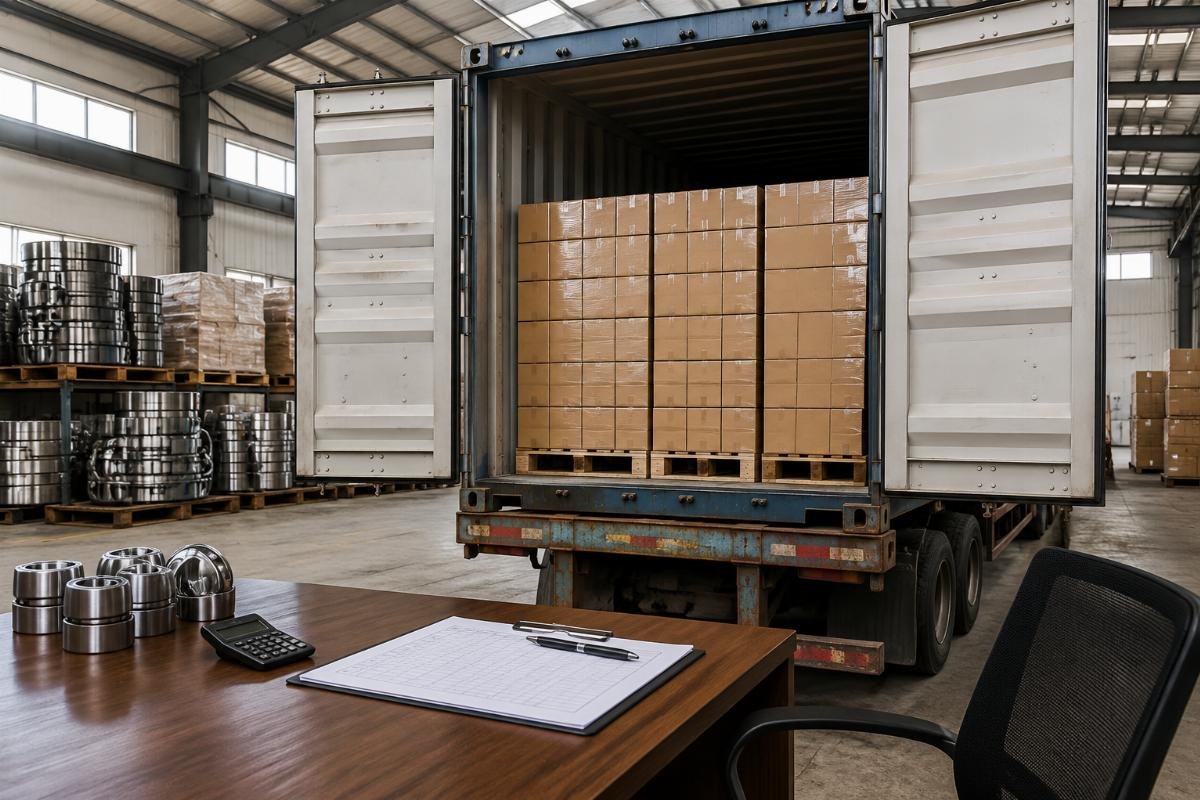
Below we break down the most common pitfalls, actionable structure rules and verifiable data points to help you lock in the best possible terms for your next container order.
What hidden costs do bearing distributors usually miss in multi-SKU container load deals?
Three overlooked cost centers routinely wipe out nearly a fifth of expected bulk savings. The most frequent culprits are unadvertised SKU minimum order surcharges, opaque cross-supplier consolidation fees, and inconsistent quality standards that lead to returned stock from local buyers.
| Cost Factor | Common Inefficient Practice | Proven Optimized Approach |
|---|---|---|
| SKU Order Surcharges | Adding custom SKUs from separate suppliers to meet low-volume demand, paying 10-15% per unit surcharge for under-quantity items | Source all SKUs from a single supplier with 50,000+ in-stock SKUs to access 10-piece minimums for standard stock items [NEED_CITE: Specialized Chinese bearing suppliers with 10,000+ in-stock SKUs support MOQ as low as 10 pcs per item for mixed container orders] |
| Consolidation Fees | Coordinating 3+ separate factory shipments to a third-party warehouse, paying 8-12% of total order value for handling and packing | Work with suppliers that have in-house bulk consolidation teams to handle all SKU grouping and container loading at no extra charge |
| Quality Variance | Accepting mixed quality grades across different supplier batches to hit lower price points | Require ISO 9001 certified quality control for all units, with optional third-party inspection reports before shipment |
A West Africa regional distributor previously sourced 120,000 pieces of mixed SKU bearings across 8 core categories from 4 separate factories, paying 18% in combined surcharges and consolidation fees. After switching to a single one-stop supplier for a full 20ft container order, they locked in an extra 22% bulk discount on top of regular factory pricing and achieved 3x faster inventory turnover than their prior sourcing model.
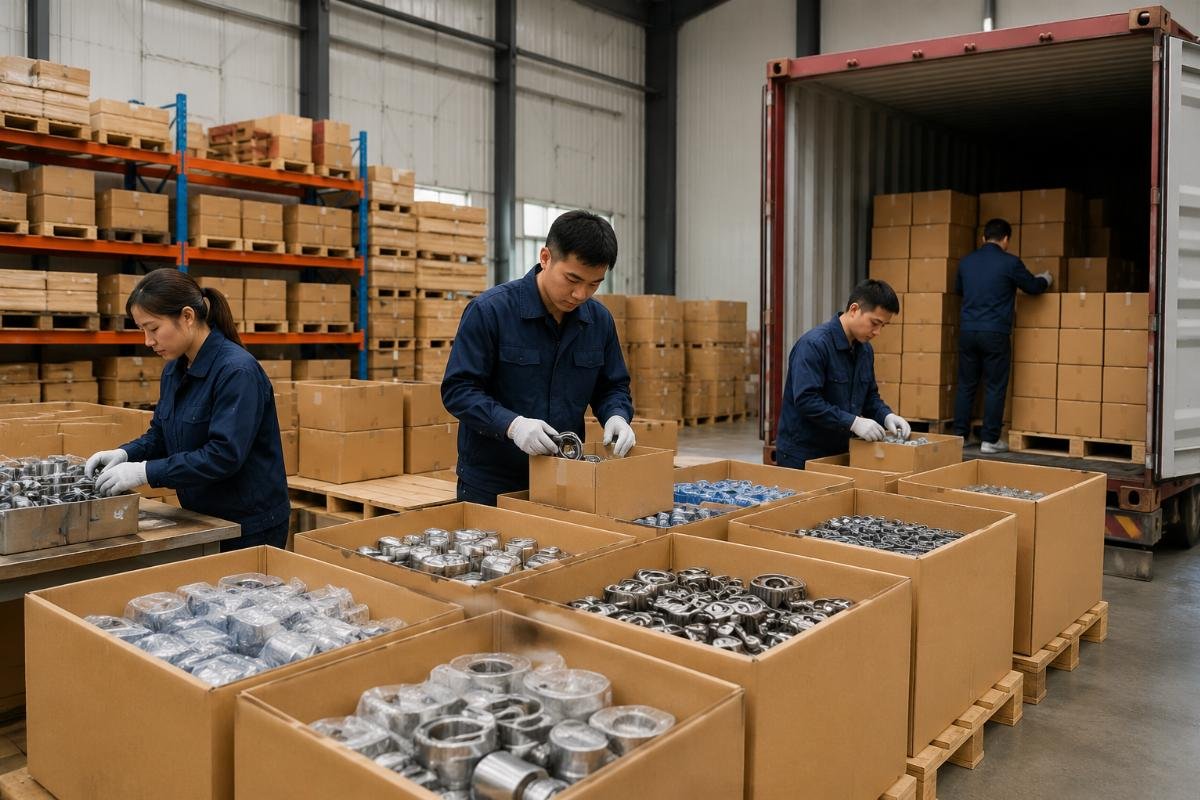
- Audit Surcharge Terms – Confirm no per-SKU minimum surcharges apply for items above the listed 10-piece stock MOQ before signing any agreement.
- Request Transparent Consolidation Quotes – Require all packing, sorting and container loading costs to be included in the quoted unit price with no hidden add-ons.
- Verify Quality Documentation – Ask for sample quality test reports for all high-volume SKU lines you plan to include in your container order.
How to structure a multi-SKU container order to get the lowest possible bulk pricing?
Balancing high-turnover core SKUs and low-volume niche SKUs is the only way to hit full container volume without overstocking slow-moving items. The standard 20ft container mix allocates 70% of total units to the 8 highest-demand bearing categories, with the remaining 30% reserved for niche regional SKUs that your local buyers request regularly.
| Container Type | Standard SKU Allocation | Bulk Discount Tier |
|---|---|---|
| 20ft Full Container | 70% high-turnover core SKUs, 30% niche regional SKUs | 18-25% extra discount on top of base factory pricing |
| 40ft Full Container | 65% high-turnover core SKUs, 35% niche SKUs + private label items | 25-32% extra discount on top of base factory pricing |
| LCL Partial Container | 85% high-turnover core SKUs, 15% urgent restock items | 8-12% extra discount on base pricing |
A Latin American bearing trader previously struggled to hit full container volume because they limited orders to only their top 12 SKUs, leading to half-empty containers and inflated per-unit shipping costs. When they adjusted their order to include 28 additional low-volume but consistent-demand SKUs, they qualified for a full 3-container order with as low as 10 pieces per individual stock item, and the entire order was consolidated and shipped within 14 days. [NEED_CITE: Dedicated bulk consolidation teams can process full mixed SKU container orders and arrange sea freight within 14 days]
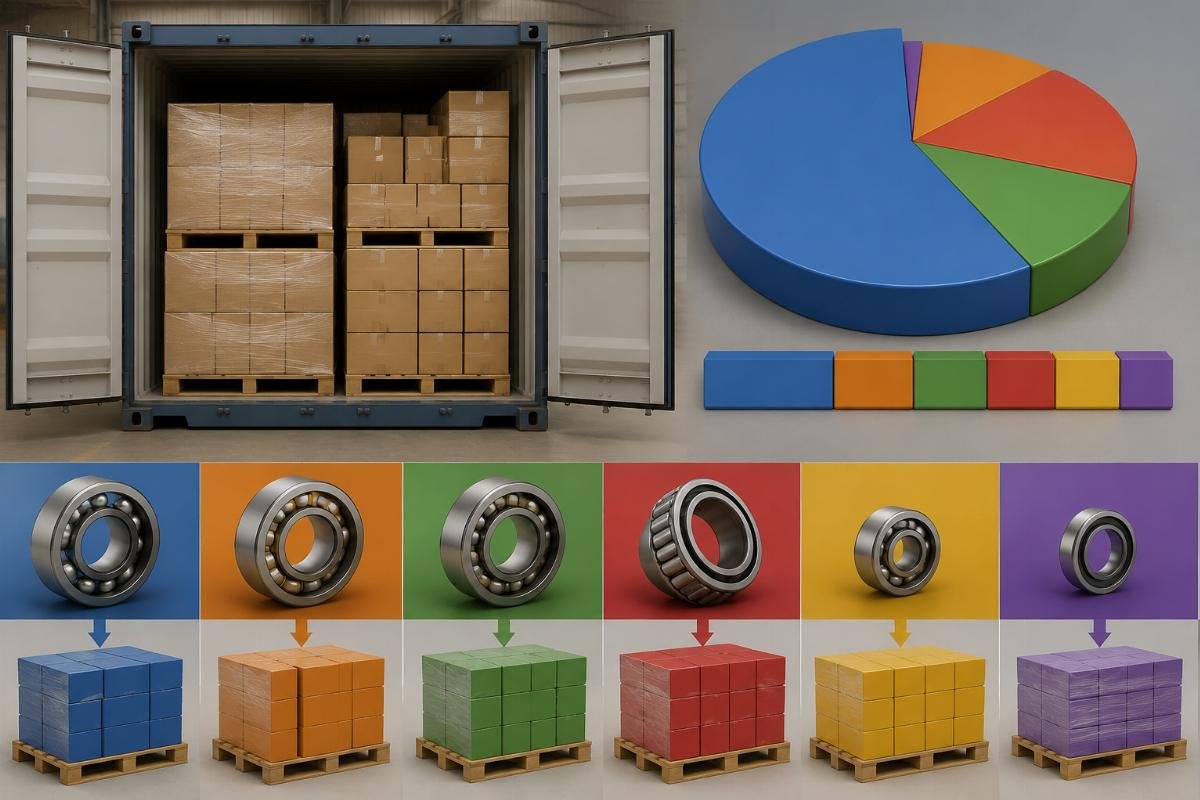
- Prioritize In-Stock Items – Only select SKUs explicitly listed as in-stock by your supplier to qualify for the lowest MOQ and fastest lead times.
- Map Tiered Discounts – Match your total order volume to the supplier’s published 20ft/40ft/40HQ bulk pricing matrix to maximize extra rebates.
- Limit Custom SKUs – Keep custom or non-stock SKUs under 10% of your total order to avoid extended lead times or added fees.
What extra support can distributors get from container load suppliers beyond pricing?
Top-tier suppliers offer far more than just low per-unit pricing, including terms that directly boost your local market competitive edge. These range from extended warranty coverage to exclusive territory rights that prevent competing distributors in your region from selling the same core product lines.
A Southeast Asian distributor working with Shandong Simon Bearing recently secured exclusive territory rights for 3 core product lines as part of their annual container load agreement, alongside a 15% extra bulk rebate and 18 months of extended warranty for all units in every container order. The supplier’s 50,000+ SKU coverage, 10-piece MOQ for stock items, 50-70% lower pricing compared to OEM brands and 30+ factory partnerships let them undercut competing local distributors by 30% while maintaining higher profit margins.
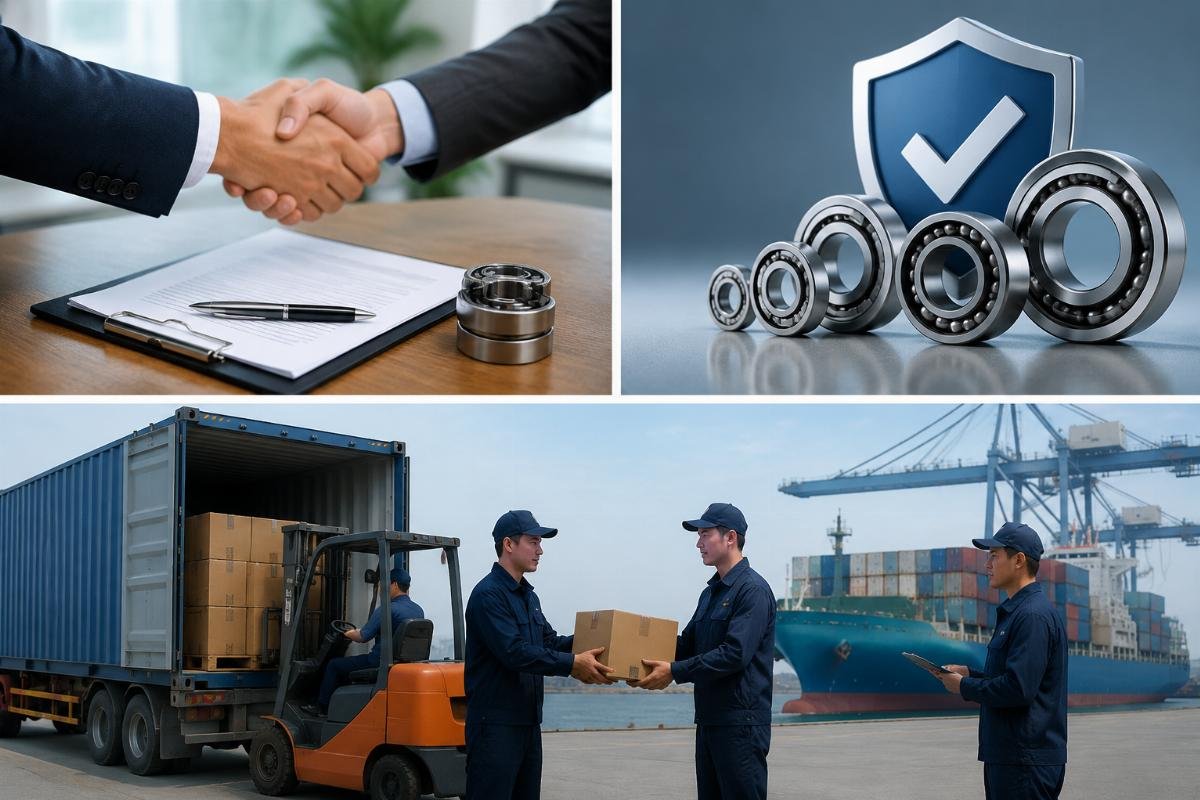
- Negotiate Exclusive Territory Clauses – Request protected sales regions for your top 3-5 highest-volume product lines to avoid price competition from other importers.
- Lock in Extended Warranty – Confirm warranty terms between 6 months and 2 years based on bearing precision grade to reduce post-sale return costs.
- Request Dedicated Restock Support – Ask for prioritized processing for repeat small restock orders to fill gaps in your inventory between full container shipments.
Conclusion
Securing favorable multi-SKU container load deals does not require accepting high per-SKU minimums or cutting corners on quality. The core insight for regional distributors is that working with a single specialized Chinese supplier eliminates the hidden costs of cross-supplier consolidation, while the right order structure lets you hit full container volume without overstocking slow-moving items. These adjustments let you capture the full 50-70% cost advantage over OEM brands while delivering the consistent quality and fast stock turnover your local buyers expect.

Written by
authorEditor covering global sourcing, supplier verification, and industrial product knowledge. Content is compiled from manufacturer specifications, industry standards, and hands-on experience with international B2B buyers. Every article is fact-checked before publishing to help procurement professionals make informed decisions.
Leave a Reply