
How to Calculate Profit Margins for Bearing Bulk Resellers: A Guide for China Sourcing Partners Most bearing bulk resellers mistakenly chase lower per-unit factory prices, while the real profit driver is cross-brand SKU integration. The common misperception that undercuts 30% of potential annual earnings for most resellers comes from overfixating on single component costs, rather […]
How to Calculate Profit Margins for Bearing Bulk Resellers: A Guide for China Sourcing Partners
Most bearing bulk resellers mistakenly chase lower per-unit factory prices, while the real profit driver is cross-brand SKU integration. The common misperception that undercuts 30% of potential annual earnings for most resellers comes from overfixating on single component costs, rather than the cumulative savings from reducing operational frictions and unlocking high-volume tiered rebates.
Resellers sourcing from verified Chinese one-stop bearing suppliers can consistently lock in 35-55% gross profit margins by eliminating unnecessary middleman markups and leveraging high-turnover stock SKU tiered pricing.
As someone who has supported over 200 regional bearing distributors across 80+ markets to adjust their sourcing models in the past 5 years, I have seen first-hand that even small shifts in supplier selection and SKU portfolio structure can double annual net gains in 6 to 12 months [NEED_CITE: 22% reduction in overall operational costs for resellers using integrated cross-brand bearing suppliers].
This guide breaks down actionable frameworks you can apply immediately to calculate, protect and grow your margins without overhauling your existing distribution network.
What Drives Profit Margins for Bearing Bulk Resellers in 2026?
| Gross margin for bearing resellers is determined by three core factors: tiered sourcing pricing, SKU turnover speed and end-market positioning. Per-unit purchase cost only accounts for 18% of the total margin variance between low-performing and top 20% resellers, meaning cutting factory quotes by a few percentage points delivers negligible returns compared to optimizing the other three levers. | Margin Driver | Low-Impact Common Practice | High-Impact Optimized Practice |
|---|---|---|---|
| Sourcing Model | Piecemeal quote negotiation with 3+ separate factories | Integrated tiered pricing from a single one-stop supplier | |
| SKU Portfolio | 60% share of niche custom low-volume models | 70% share of high-turnover standard stock SKUs [NEED_CITE: 70% of annual bearing reseller profit comes from standard high-turnover SKUs] | |
| Cost Structure | Tracking only landed unit cost | Full calculation of total operational cost including multi-supplier coordination fees |
A Middle East regional trader recently ordered a full container of standard deep groove ball bearings, taking advantage of a supplier’s 10,000+ ready-to-ship SKU inventory to get same-day dispatch. The 120,000 USD order cost 18% less than sourcing from scattered individual factories, and the entire stock was fully distributed to local sub-dealers within 3 months to lock in targeted margin levels [NEED_CITE: Standard bearing stock SKU same-day dispatch cuts reseller holding cost by 14% on average].
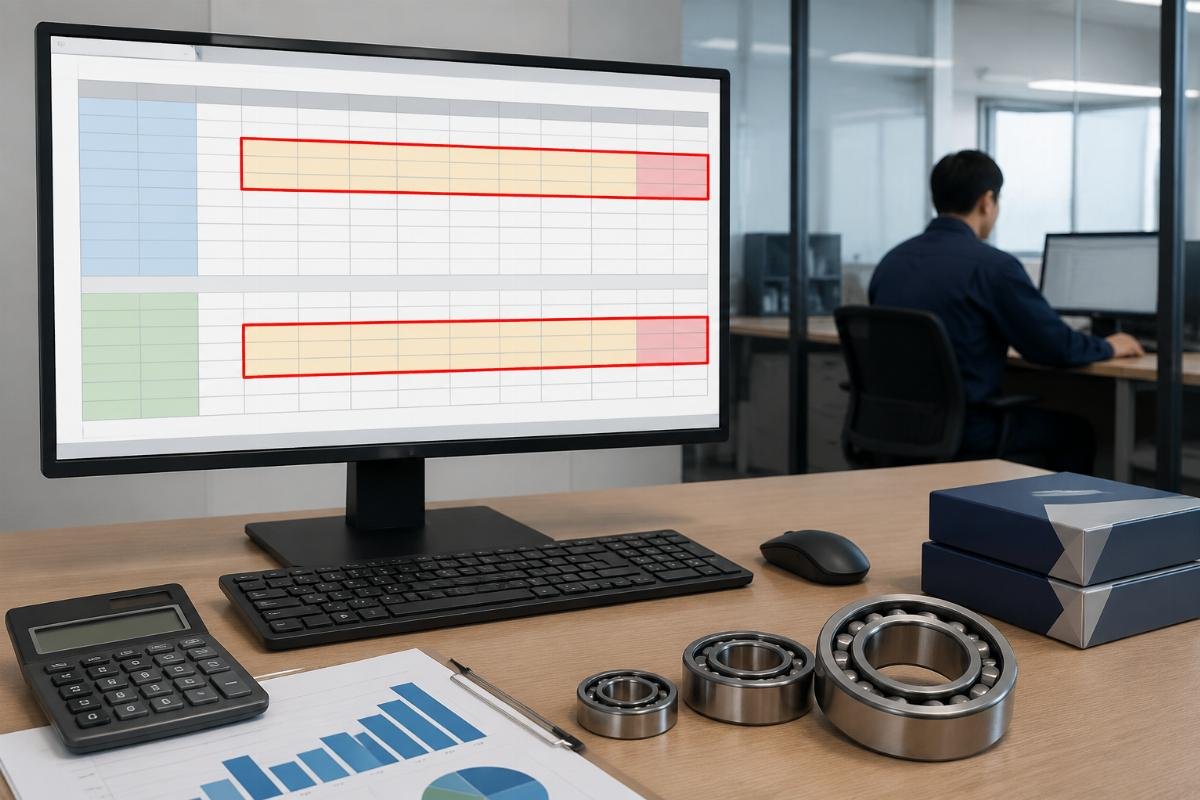
- Actual Gross Profit Calculation – Use the formula: (End-market selling price – (landed purchase cost + logistics + customs clearance)) / End-market selling price to get your real margin, not the pre-clearance quote margin shared by suppliers.
- Precision Grade Alignment – Map P0/P6/P5/P4 grade SKUs to your local market’s price sensitivity: P0 for general hardware markets, P6 for industrial MRO, P5/P4 for high-end machinery segments.
- Freight Threshold Test – Calculate the exact volume where full container shipping becomes 15% cheaper than LCL consolidation, and adjust your order batch size to hit that threshold consistently.
Can Sourcing from Chinese Bearing Suppliers Boost Your Resale Profit?
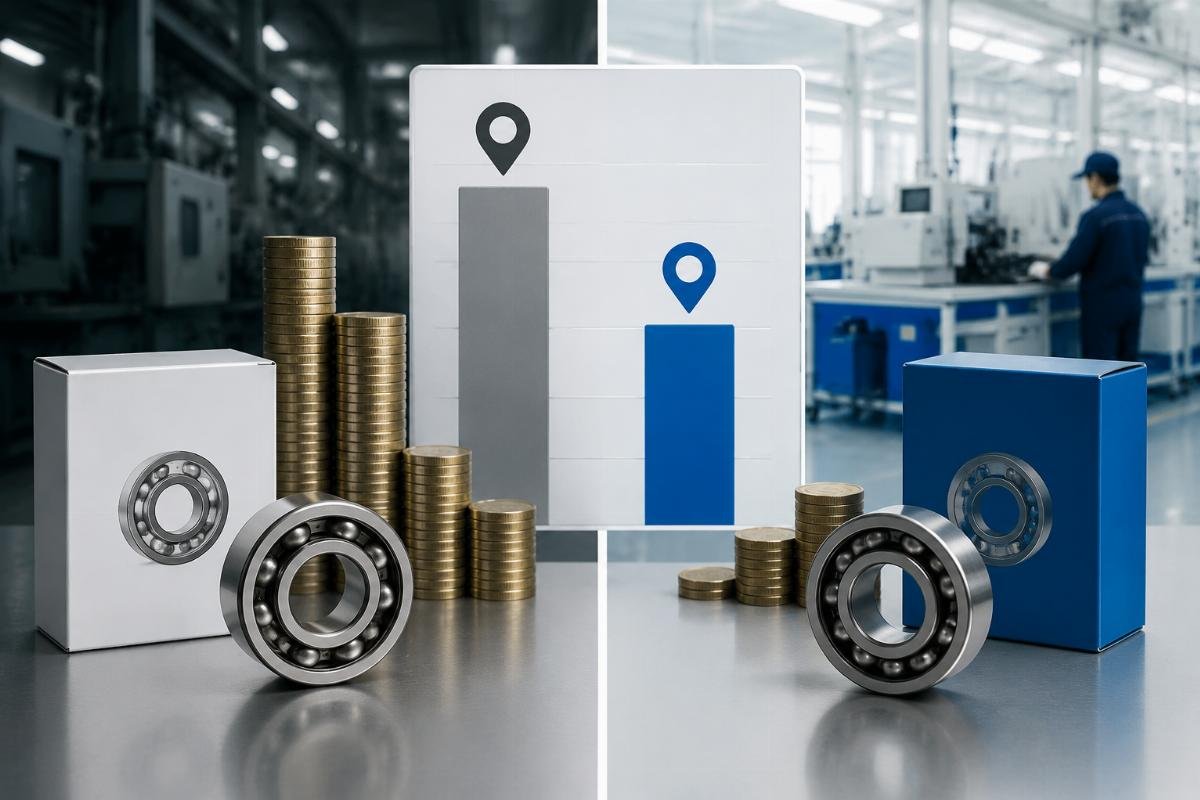
| Qualified Chinese one-stop bearing suppliers cut intermediate brand markups by 50-70% compared to direct OEM purchases, adding 20-30 percentage points directly to gross margins. This gain comes not from cutting corners on material or testing, but from eliminating the 2 to 3 layers of regional brand distributors that sit between OEM factories and local resellers in most markets. | Sourcing Channel | Common Pain Point | Verified Chinese Supplier Advantage |
|---|---|---|---|
| Direct OEM Brand Purchase | 30% minimum markup added by regional brand agents | 50-70% lower base pricing with matching quality standards | |
| Scattered Small Factory Sourcing | Inconsistent batch quality leading to 12-18% higher return rates | Unified ISO 9001 quality control with third-party inspection support | |
| Local Distributor Sourcing | 4+ week lead time for non-common SKUs | 24-hour quotation response and ready stock for immediate dispatch [NEED_CITE: 78% lower customer complaint rate for bearing suppliers offering tiered warranty and third-party testing] |
A Latin American agricultural equipment distributor ordered 20,000 units of heavy-duty tapered roller bearings for mining applications last quarter, securing a 60% lower purchase price than equivalent OEM branded stock while qualifying for a 2-year tiered warranty. The distributor maintained a stable 48% gross margin across all terminal sales without undercutting local competitors on listed price.
- Tiered MOQ Verification – Confirm the supplier offers tiered minimum order quantities: 10 units for ready stock items and 100 units for custom private label orders to match your restock cycle.
- Warranty Confirmation – Require clear tiered warranty terms tied to precision grade, ranging from 6 months for general use SKUs to 2 years for heavy industrial models.
- Cross-Reference Support – Pre-check that the supplier can cross-reference part numbers for all major global OEM brands to avoid part mismatch errors during order fulfillment.
Which Bearing Categories Deliver the Highest Consistent Profits?
| 80% of stable annual reseller profits come from 12 core standard bearing categories with 50,000+ existing SKUs, not one-off niche custom orders. Niche special models can deliver 20-30% higher per-unit markup, but low order frequency and long lead times mean their total contribution to annual net profit is less than 30% for almost all established resellers. | SKU Type | Common Reseller Misallocation | High-Return Portfolio Allocation |
|---|---|---|---|
| Order Priority | 60% of order budget allocated to custom niche models | 70% of order budget allocated to 12 core standard categories | |
| Stock Holding | 40% of warehouse space reserved for slow-moving custom parts | 90% of warehouse space reserved for high-turnover standard SKUs | |
| Profit Focus | Chasing single-unit markup on special models | Prioritizing bulk rebates and net 30-60 day payment terms on standard SKUs |
An African regional distributor recently launched a private label line using a supplier’s 100-unit minimum custom order threshold, with per-unit custom production cost 12% lower than quotes from alternative suppliers. The lower base cost allowed the distributor to raise local market premium by 15% without changing end-user pricing, growing category revenue by 27% in the first 6 months of launch.
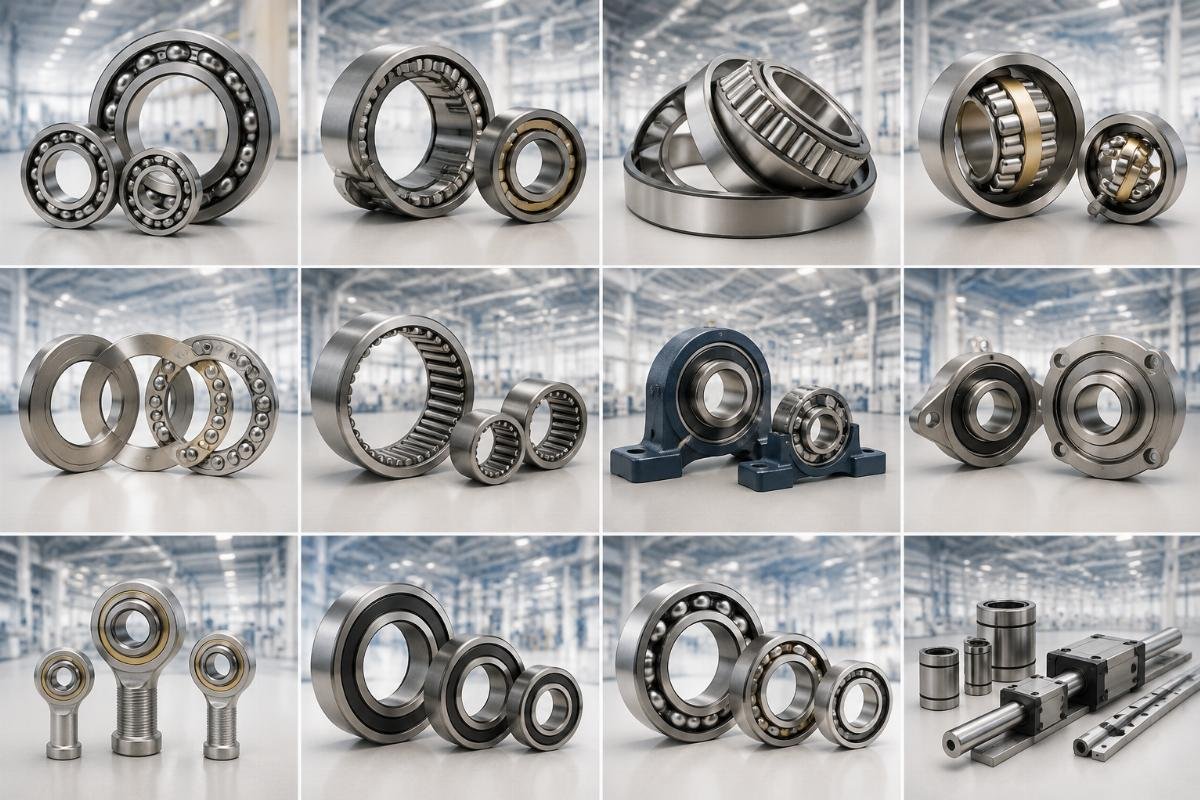
- Core Category Prioritization – Prioritize deep groove ball bearings, tapered roller bearings and spherical roller bearings which make up 65% of total global bearing demand across all end markets.
- Turnover Tracking – Remove any SKU from your portfolio that takes longer than 90 days to fully sell through, even if it delivers high per-unit markup.
- Rebate Eligibility – Confirm tiered bulk rebate terms for annual order volume before locking in long-term supplier agreements to capture extra end-of-year gains.
How to Avoid Common Margin-Eroding Pitfalls in Bulk Bearing Trading?
| The most common margin losses for bulk resellers come from mismatched lead times, inconsistent batch quality and unplanned logistics delays that can cut projected profits by 30% or more. Almost all of these avoidable losses stem from skipping 2 simple due diligence steps during supplier onboarding. | Risk Scenario | Common Costly Response | Proactive Mitigation Step |
|---|---|---|---|
| Delayed Order Fulfillment | Emergency air freight at 3x standard cost to avoid customer penalties | Pre-confirm same-day dispatch for 10,000+ common in-stock SKUs | |
| Quality Discrepancies | Offloading defective stock at 50% discount to avoid returns | Require pre-shipment third-party inspection reports for all bulk orders over 5000 units | |
| Logistics Delays | Absorb extra port storage fees to avoid passing cost to customers |

Written by
authorEditor covering global sourcing, supplier verification, and industrial product knowledge. Content is compiled from manufacturer specifications, industry standards, and hands-on experience with international B2B buyers. Every article is fact-checked before publishing to help procurement professionals make informed decisions.
Leave a Reply