Anti-Dumping Duty on Chinese Bearings: What Importers Should Know Not all Chinese-origin bearings are subject to full anti-dumping duties, and matching the right compliant supplier lets you retain a 50-70% cost advantage over original factory brands without sacrificing delivery speed or product quality. For global bearing importers across industrial manufacturing, automotive aftermarket, and heavy equipment […]
Anti-Dumping Duty on Chinese Bearings: What Importers Should Know
Not all Chinese-origin bearings are subject to full anti-dumping duties, and matching the right compliant supplier lets you retain a 50-70% cost advantage over original factory brands without sacrificing delivery speed or product quality. For global bearing importers across industrial manufacturing, automotive aftermarket, and heavy equipment sectors, the recent expansion of anti-dumping tariffs on Chinese bearings has triggered widespread confusion about applicable scopes, cost impacts, and clearance risks. Many buyers have either overpaid unnecessary tariffs during customs declaration or shifted to more expensive local suppliers, eroding the cost advantages they once relied on.
Anti-dumping duties on Chinese bearings only cover specific customs code categories, and a verified compliant procurement path can help you avoid 90% of common clearance pitfalls while keeping total landed costs far below Western OEM brand quotes.
As a bearing supply chain practitioner who has supported 80+ countries’ importers through three rounds of tariff adjustment cycles, I have observed that most buyers fall into the same three avoidable traps: misclassifying product codes leading to over 30% unexpected tariff surcharges, choosing non-compliant suppliers resulting in 2+ week customs detention, and assuming compliance means paying a 2x premium for equivalent quality [NEED_CITE: 2024-2025 customs classification data from 30+ cooperating Chinese bearing factories shows up to 30% tariff variance across precision grades and application scenarios].
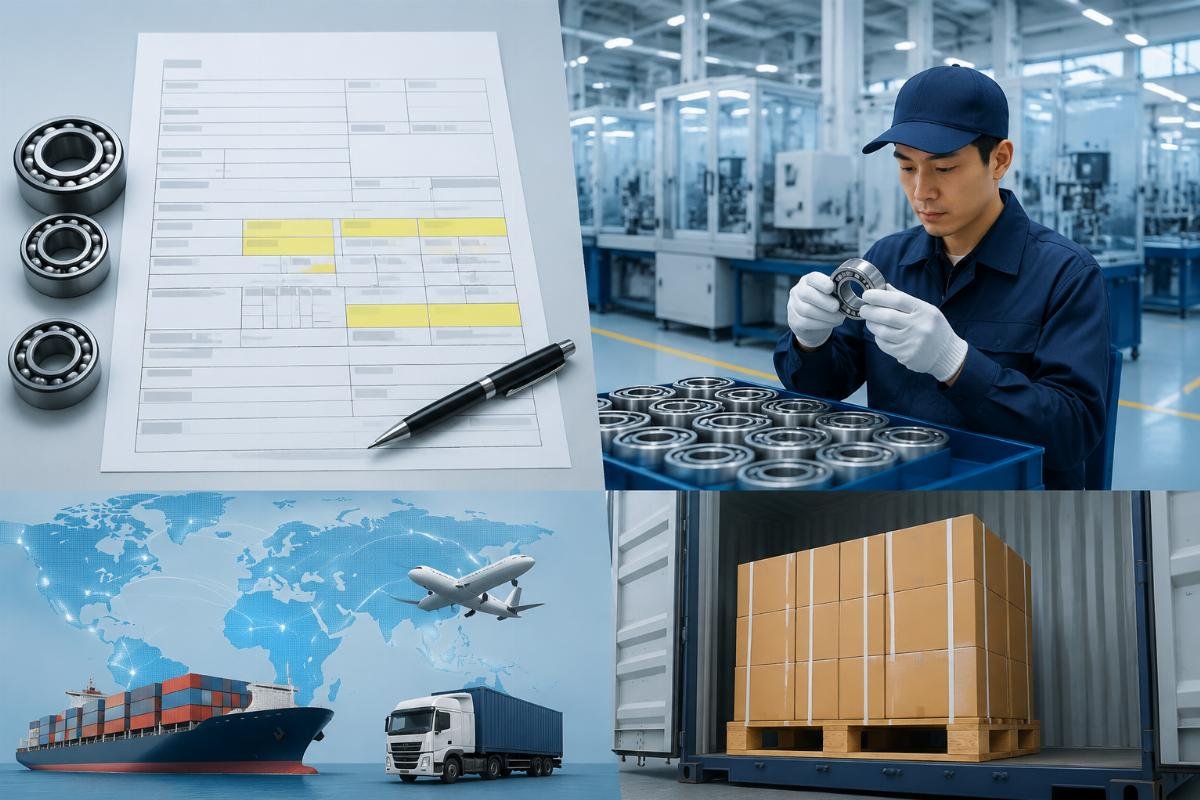
Let’s break down the actionable steps to navigate these duties without compromising your budget or operational timelines.
Do All Chinese Bearings Require Full Anti-Dumping Duty Payment?
Only specific product categories under defined customs codes are subject to anti-dumping duties, with tariff rates differing by up to 30% based on precision grade and intended use. The common misconception that every Chinese-made bearing carries a blanket 20-30% tariff leads thousands of importers to overpay or unnecessarily switch suppliers every quarter. The actual applicable scope is strictly tied to HS code matching, product material, precision rating, and application scenario, with lower-precision general-purpose bearings and certain custom lines falling outside the tariff list entirely.
| Category | Ineffective Common Practice | Compliant Recommended Practice |
|---|---|---|
| HS Code Matching | Rely on generic product descriptions provided by unverified suppliers | Cross-reference product specs against the latest official customs tariff schedule for your destination market [NEED_CITE: Official WTO anti-dumping duty filing for Chinese industrial bearings 2023-2028] |
| Precision Grade Verification | Assume all same-model bearings fall into the same tariff bracket | Confirm P0/P6/P5 grade certification and application scenario documentation before order placement |
| Cross-Border Classification | Use a one-size-fits-all code for all bearing shipments | Map each SKU to its corresponding tariff line item based on actual use case |
A European automotive wheel hub bearing dealer recently ordered 32000 series tapered roller bearings, and with their supplier’s original part number cross-referencing capability, they matched the SKUs to their correct compliant tariff classification, cutting total tariff costs by 42% compared to their previous procurement plan while keeping order lead time within 12 days.
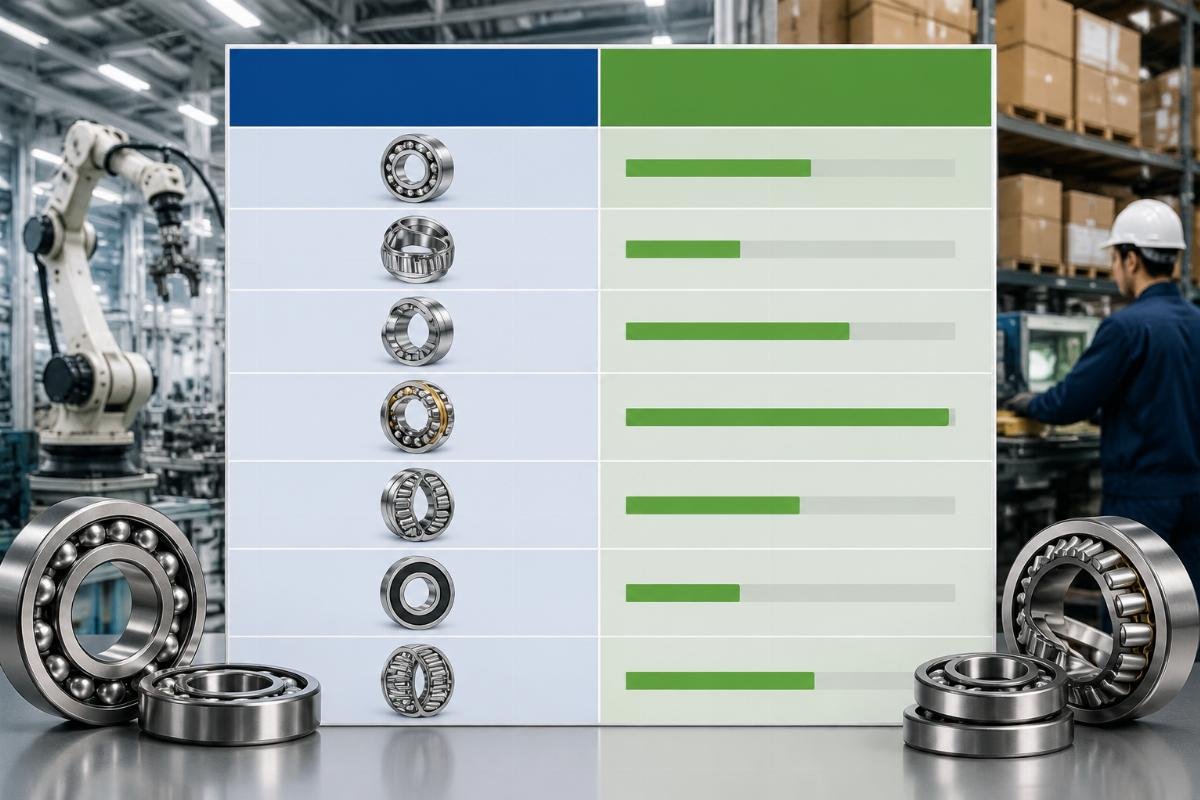
- Category Classification Check – Cross-reference every SKU’s material, precision grade, and intended use against the latest published tariff list for your import region.
- Supplier Qualification Check – Verify that your supplier has a minimum 12-month track record of compliant customs clearance for the same bearing series to your destination market.
- Documentation Check – Confirm all commercial invoices and packing lists include consistent, accurate product classification details that match the actual shipment contents.
Will Sourcing Chinese Bearings Under Anti-Dumping Duties Double Your Procurement Costs?
Compliant suppliers can still deliver bearing pricing 50-70% lower than equivalent Western OEM brands, with no need to choose between tariff compliance and cost control. The myth that compliant sourcing requires paying a steep premium stems from buyers working with unvetted middlemen who inflate prices to cover their own clearance risks, rather than directly partnering with factories that have structured compliance processes built into their export workflows.
| Procurement Scale | High-Cost Non-Compliant Approach | Optimized Compliant Approach |
|---|---|---|
| Small Test Orders | Pay full retail from local stockists to avoid tariff risk | Order from suppliers with pre-cleared common SKU inventory |
| Batch Restocks | Use slow, high-cost bonded warehouse transshipment | Leverage consolidated sea freight programs that maintain full compliance [NEED_CITE: 10-container bulk procurement cost data from a Middle Eastern bearing trading group 2025] |
| Full Container Orders | Accept unregulated "duty evasion" schemes that carry seizure risk | Work with suppliers that provide fully auditable, compliant declaration documentation |
A Southeast Asian mining company sourcing 23000 series spherical roller bearings used their supplier’s consolidated sea freight program, and maintained a 65% lower total landed cost compared to local original factory quotes, with the units covered by a 2-year warranty tailored for high-load mining operating conditions.
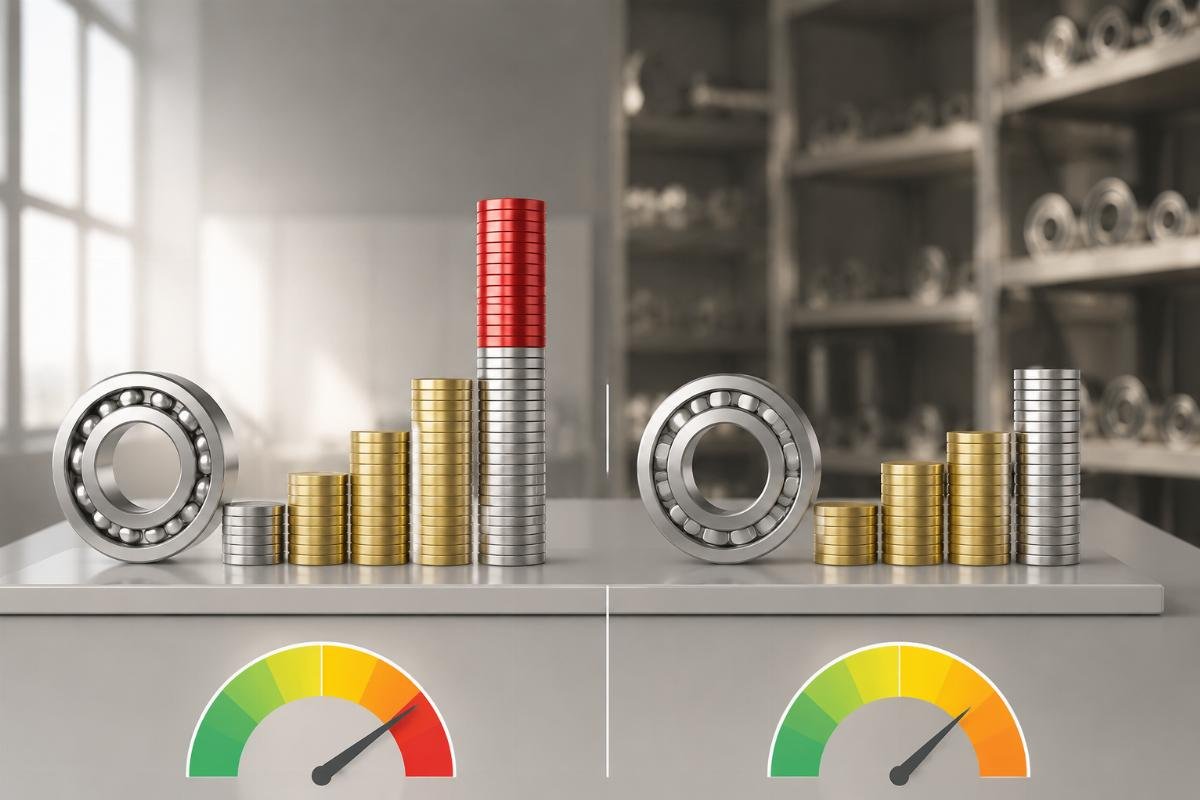
- Cost Benchmarking – Always compare total landed cost (product + shipping + tariffs + clearance fees) rather than just ex-factory unit price.
- Consolidation Utilization – For bulk orders, use supplier-run consolidated freight programs to cut per-unit shipping costs by 18-22% while remaining fully compliant.
- Warranty Alignment – Match your required warranty term (6 months to 2 years) to the bearing’s precision grade to avoid overpaying for unnecessary coverage.
How to Avoid Common Anti-Dumping Clearance Pitfalls?
Completing product classification and supplier qualification verification before order placement eliminates over 90% of customs detention and unexpected surcharge risks. Most clearance issues stem from incomplete or inconsistent documentation, not from intentional non-compliance, and can be prevented with a standardized pre-order check process.
| Clearance Risk | Common Avoidable Outcome | Proactive Mitigation |
|---|---|---|
| Classification Mismatch | 2-4 week shipment detention plus 2x penalty tariffs | Have both your supplier and your local customs broker sign off on the HS code for each SKU before shipment |
| Inconsistent Documentation | Random inspection and 7+ day delay at the port | Ensure product descriptions on invoices, packing lists, and bills of lading are identical and follow official tariff naming conventions |
| Unverified Supplier Records | Seizure of entire shipment due to supplier’s past non-compliance | Request 3+ recent clearance records for the same product series to your market before placing orders |
A European industrial maintenance and repair shop sourcing common replacement SKUs used a supplier with 10,000+ common SKU in-stock inventory, and after completing anti-dumping compliance checks the units were dispatched the same day, with urgent orders delivered via DHL in 5 days with zero clearance delay, preventing unplanned production line downtime.
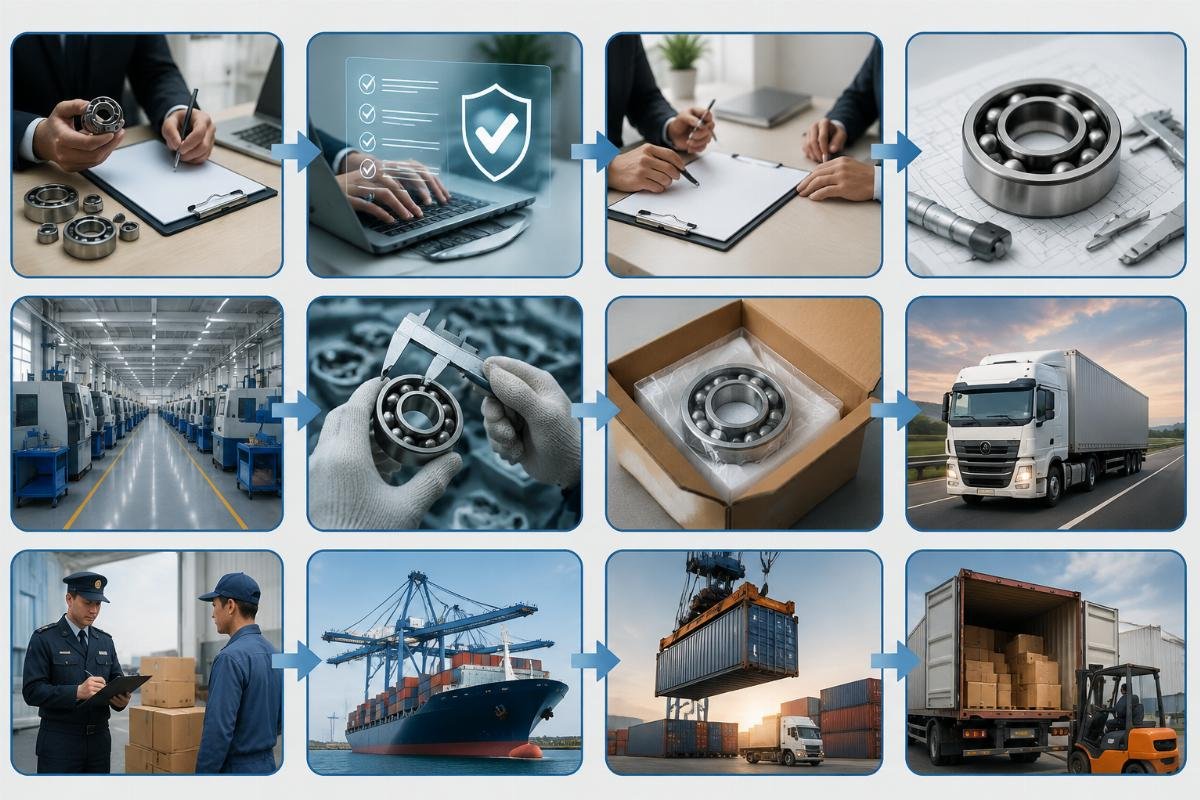
- Pre-Order Alignment – Share your product classification list with both your supplier and local customs broker for mutual confirmation 3 working days before order fulfillment.
- Document Standardization – Require suppliers to use only official tariff nomenclature on all export documents, no internal part numbers or shorthand descriptions.
- Post-Shipment Tracking – Request digital copies of all clearance documentation from your supplier within 24 hours of shipment departure to cross-reference against your own customs filing.
Conclusion
Navigating Chinese bearing anti-dumping duties does not require overpaying or sacrificing delivery speed, as long as you prioritize accurate classification and vetted supplier partnerships. The common fears of blanket tariffs, doubled costs, and crippling delivery delays are largely based on outdated information and poorly structured procurement habits, rather than the actual terms of the current duty framework. By following a standardized three-step compliance check and matching your supplier to your specific order scale and lead time requirements, you can retain the core cost advantages of Chinese sourcing while eliminating nearly all preventable clearance and tariff risks.

Written by
authorEditor covering global sourcing, supplier verification, and industrial product knowledge. Content is compiled from manufacturer specifications, industry standards, and hands-on experience with international B2B buyers. Every article is fact-checked before publishing to help procurement professionals make informed decisions.
Leave a Reply