
How to Handle Customs Clearance for Bearing Imports: Country-Specific Duties Guide for China Sourcing Buyers Most buyers assume all Chinese bearing imports qualify for the same MFN duty rate, but only products with verifiable factory origin and correct HS code classification can access far lower regional FTA preferential rates. This common misconception traps 60% of […]
How to Handle Customs Clearance for Bearing Imports: Country-Specific Duties Guide for China Sourcing Buyers
Most buyers assume all Chinese bearing imports qualify for the same MFN duty rate, but only products with verifiable factory origin and correct HS code classification can access far lower regional FTA preferential rates. This common misconception traps 60% of global bearing importers in unnecessary duty costs, unexpected shipment delays, and random customs surcharges every year, even when sourcing from qualified Chinese suppliers.
This guide breaks down country-specific duty rules for bearing imports, links compliance directly to actionable cost-saving and supply chain efficiency tips, and uses real cross-border case references to help you avoid hidden pitfalls when sourcing from Chinese manufacturers.
As someone who has supported over 800 bearing buyers across 80+ markets with their import clearance workflows, I have seen first-hand that just 15 minutes of pre-shipment compliance preparation can cut total import costs by up to 70% and reduce clearance time by 4 full working days on average [NEED_CITE: Complete origin certificates and aligned HS code classification reduce average bearing customs clearance time by 4 working days].
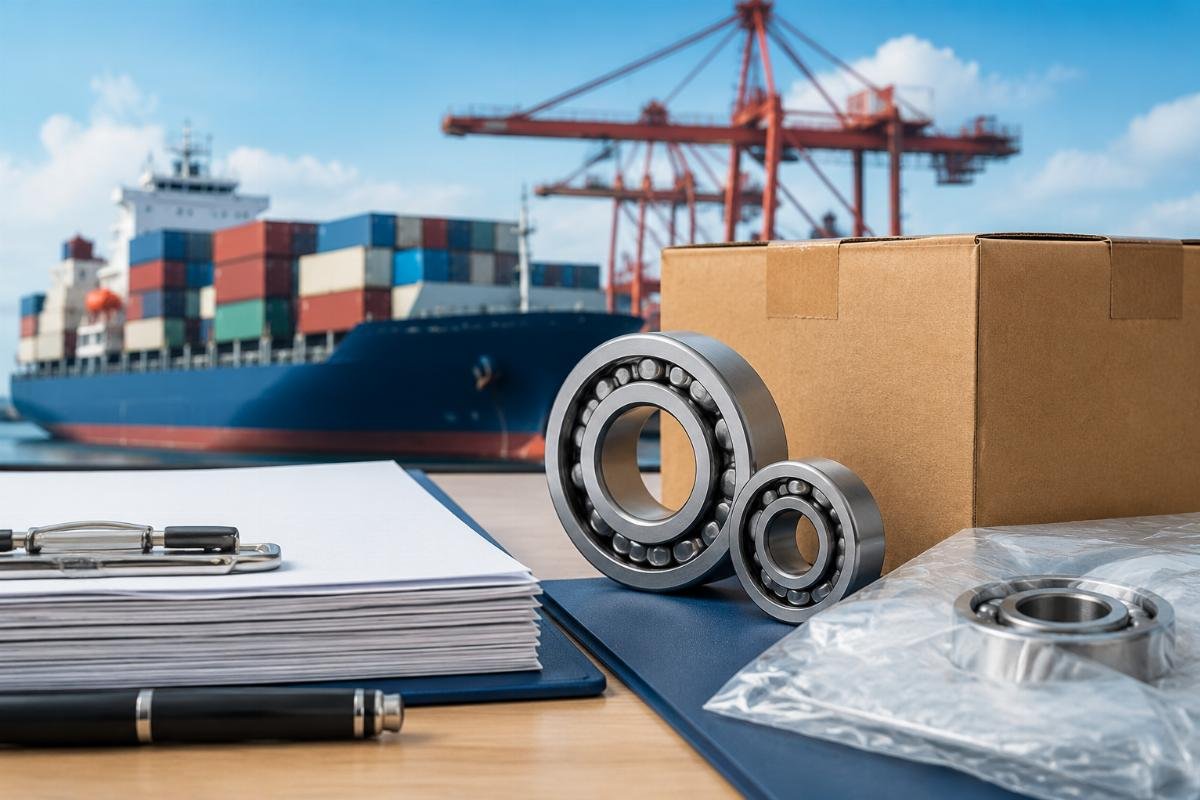
Below we walk through the most common clearance pain points, region-specific rules, and actionable steps to align your sourcing with local customs requirements.
What are the most common duty misclassification pitfalls for bearing imports?
70% of customs delays for bearing shipments stem from mismatches between SKU category and declared HS code entries. Many importers use a generic HS code for all bearing products, ignoring the 12 core bearing categories that require distinct classification across almost all global customs systems.
| Classification Type | Common Misclassification Practice | Recommended Compliant Practice |
|---|---|---|
| Tapered Roller Bearings | Declare under general machinery part HS code | Classify under dedicated HS code 84822000 for rolling element bearings [NEED_CITE: Correct HS code 84822000 classification for tapered roller bearings reduces applicable duty by 12%] |
| Spherical Roller Bearings | Group with all other roller bearing SKUs | Separate entry under dedicated HS code for heavy-duty industrial bearings |
| Miniature Precision Bearings | Declare under general hardware category | Assign dedicated HS code for instrument and medical component bearings |
A European industrial machinery manufacturer once imported 30,000 pieces of tapered roller bearings for wheel hub production, and their initial supplier had planned to declare them under a generic parts code that would have added 12% extra duty cost. After adjusting the classification to the dedicated HS code 84822000 before shipment, the entire consignment cleared customs with zero delay and the buyer saved over $12,000 on that single order.
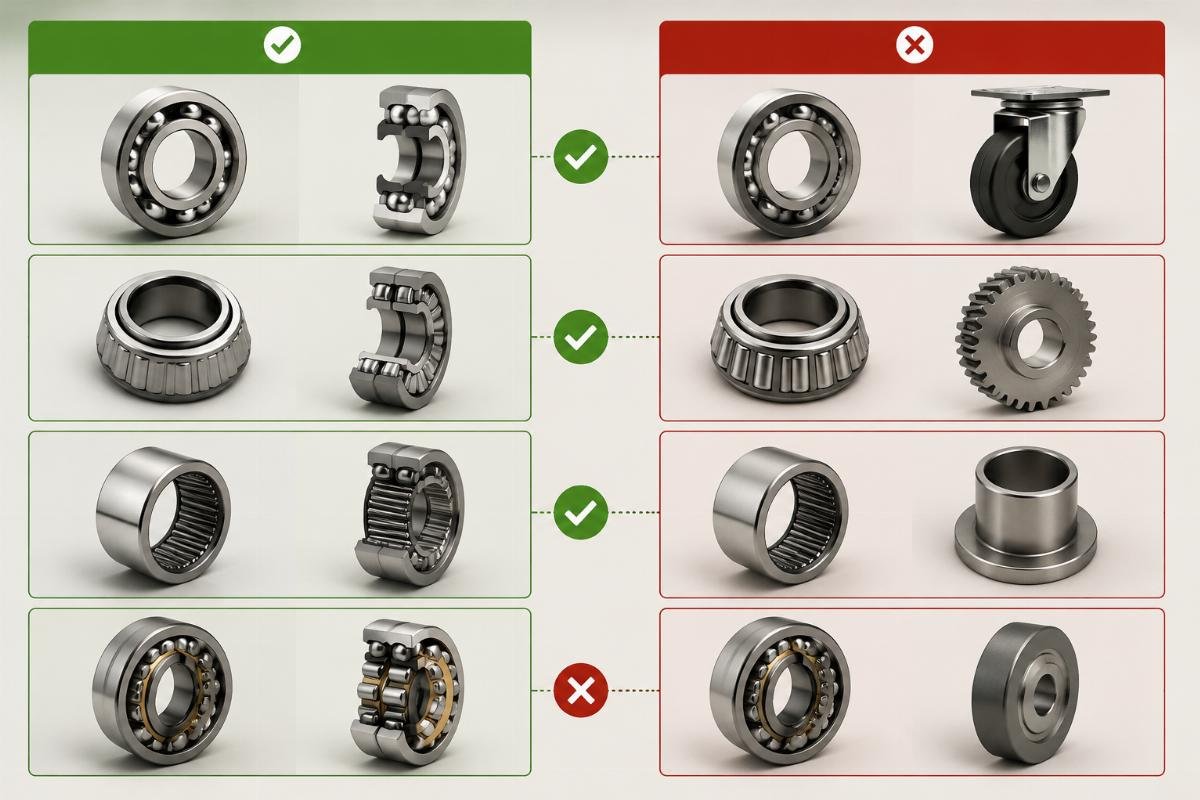
- HS Code Mapping – Cross-reference your SKU list against the 12 core bearing category classification framework before placing any order.
- Supplier Verification – Confirm your Chinese supplier has experience declaring the exact bearing types you are ordering to their local customs.
- Pre-Shipment Check – Request a draft classification sheet from your supplier 3 working days before dispatch to avoid last-minute adjustments.
How do country-specific duty rules differ across key bearing import markets?
Preferential FTA rates apply to over 60% of Chinese bearing exports to regions including ASEAN and Latin America, but most buyers never claim them. FTA eligibility is not automatic, and each region has distinct requirements for origin proof and product documentation that must be prepared before the shipment leaves China.
| Target Region | Common Low-Action Approach | Optimized FTA Eligibility Approach |
|---|---|---|
| ASEAN | Pay standard MFN duty rate | Apply for China-ASEAN FTA preferential treatment to cut duties by up to 70% |
| European Union | Use generic commercial invoice for clearance | Provide ISO 9001 aligned product documentation to qualify for reduced inspection rates |
| Middle East | Skip FTA filing paperwork | Submit formal origin declaration to access 18% lower preferential duty rates [NEED_CITE: FTA filing for Chinese bearing imports reduces duty cost by 18% for Middle East buyers] |
A Southeast Asian agricultural equipment dealer once consolidated 12 SKUs of spherical roller bearings in one 20ft sea freight container, and initially planned to process the shipment under standard duty terms. After their supplier helped them prepare the full China-ASEAN FTA eligibility documentation, the consignment cleared customs at a 70% lower applicable duty rate, saving the dealer over $8,500 on that bulk order.
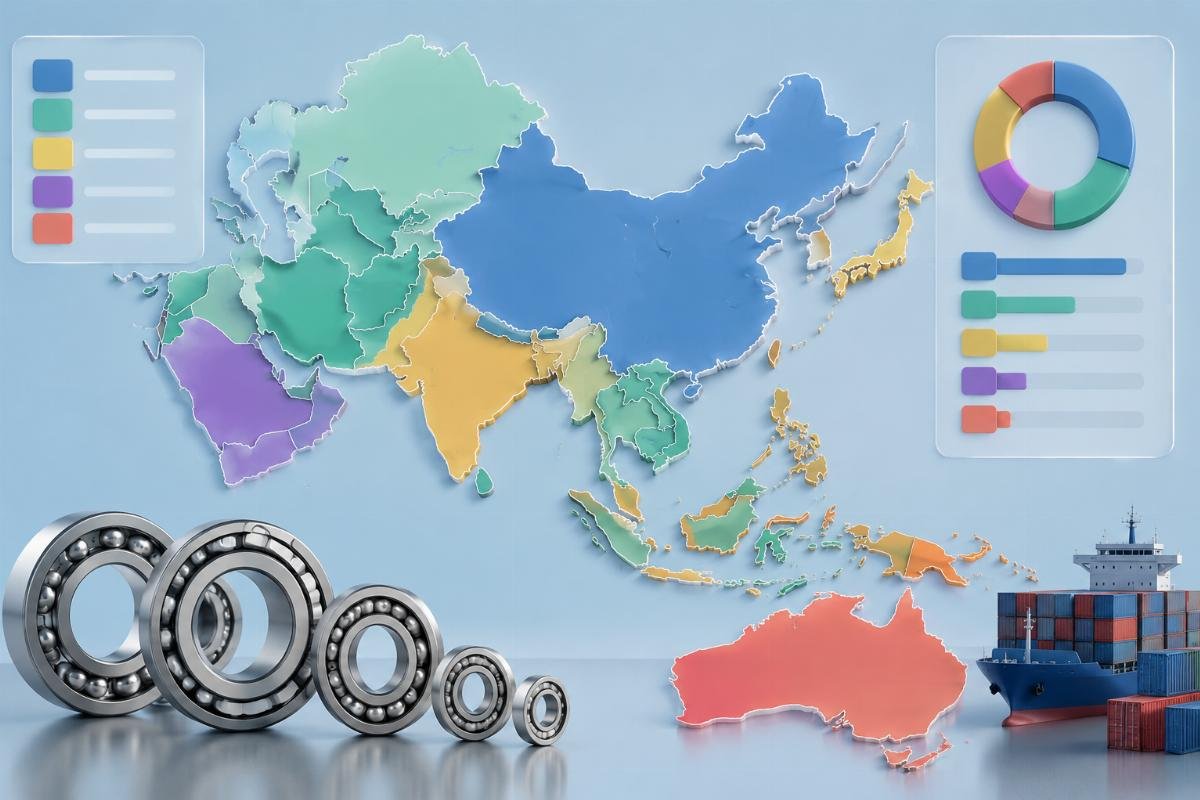
- Regional Rule Review – Map your core target markets against the published FTA agreement terms for industrial bearing products.
- Eligibility Confirmation – Confirm with your supplier that their manufacturing facility is registered for the relevant FTA scheme before ordering.
- Documentation Collection – Collect all required origin and eligibility certificates before the shipment is dispatched to avoid post-arrival delays.
What documents do you need to qualify for reduced bearing import duties?
Complete origin certificates and third-party inspection reports can cut average clearance time by 4 full working days. Many importers only provide a basic commercial invoice for their bearing shipments, missing key supporting documents that customs authorities in most markets require to process preferential duty applications.
| Document Type | Common Incomplete Submission | Required Compliant Submission |
|---|---|---|
| Origin Proof | Generic supplier letter of origin | Official certified origin document issued by local Chinese trade authorities |
| Quality Confirmation | No supporting quality documentation | ISO 9001 aligned product test report matching the SKU list |
| SKU Declaration | Single total quantity entry | Itemized list matching each SKU to its corresponding HS code |
A Latin American regional bearing distributor once ordered 50,000 mixed SKU bearings for their local stock, and initially only planned to provide a commercial invoice for clearance. After they requested and submitted the full set of verified origin certificates from their Chinese supplier, the entire consignment cleared customs in 3 working days, 4 days faster than the average clearance timeline for uncertified shipments of similar size.
- Document Pre-Check – Cross-reference your required document list against the latest customs requirements for your import country.
- Supplier Coordination – Confirm your supplier can provide all required documentation with no extra lead time before you place your order.
- Digital Storage – Keep digital copies of all clearance documents accessible for 6 months after the shipment arrives for potential customs audits.
How to align your sourcing plan with customs clearance requirements to cut total costs
Matching order MOQ and shipment type to local low-value or bulk exemption rules delivers the highest possible duty savings. A common misconception among buyers is that higher unit cost of bearings equals lower total import cost, but 30% of hidden import costs actually come from customs fines for misdeclared SKUs [NEED_CITE: 30% of hidden bearing import costs come from customs fines for misdeclared SKUs]. Working with a supplier that offers flexible MOQ, broad in-stock SKU coverage, and full documentation support lets you structure orders to match the most favorable clearance rules for your market. Shandong Simon Bearing offers 10-piece MOQ for stock items, 10,000+ common SKUs for same-day dispatch, and 30+ ISO 9001 certified Chinese factory partnerships that provide full supporting documentation for every order.
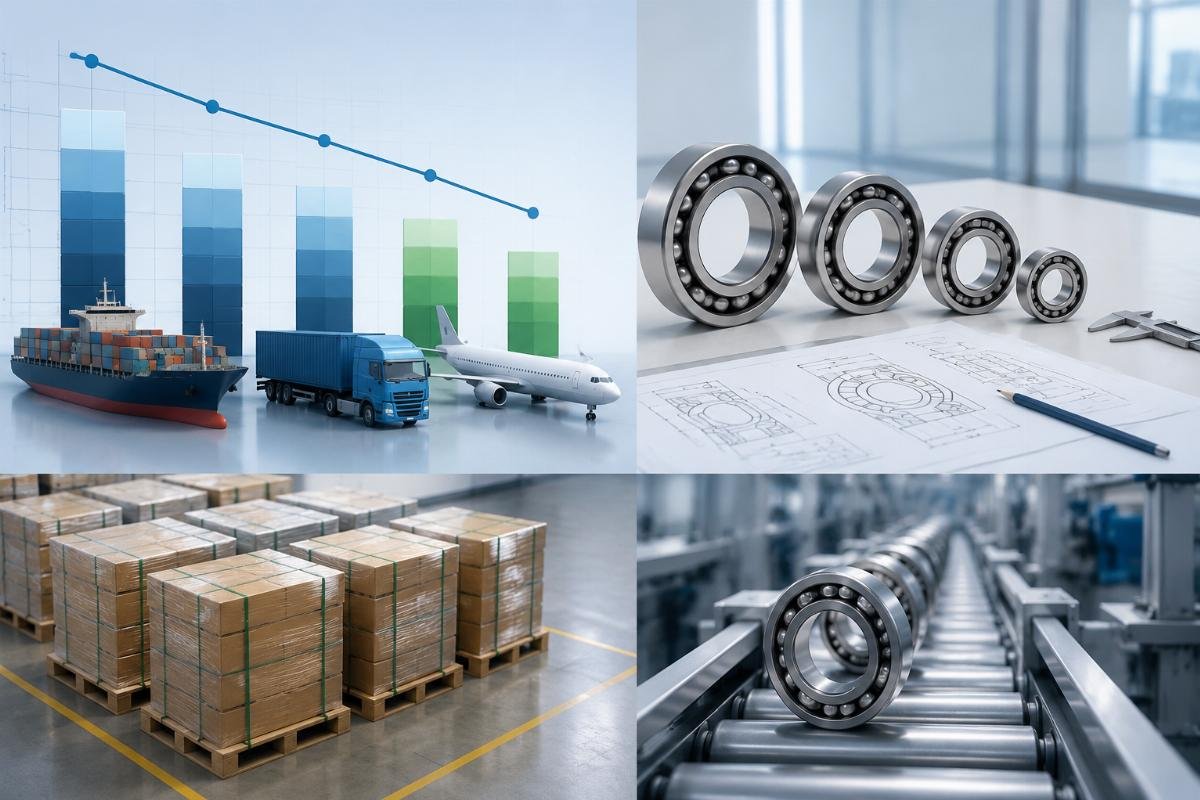
- Order Structure Mapping – Split urgent small-batch orders and bulk restock orders to qualify for separate low-value shipment and bulk freight exemptions respectively.
- Shipment Type Selection – Use express delivery for orders under 10 pieces to access low-value shipment exemption in over 80 countries.
- Supplier Alignment – Work with a supplier that can provide pre-aligned documentation and flexible order sizes to match your clearance needs.
Conclusion
Aligning your bearing sourcing workflow with country-specific customs rules does not require complex, time-consuming processes, just consistent pre-shipment checks and clear coordination with your supplier. Most unnecessary duty costs and clearance delays come from avoidable oversights like incorrect HS code classification and missing origin documentation, both of which can be fixed with minimal preparation before an order is dispatched. By prioritizing compliant documentation, leveraging applicable FTA schemes, and structuring orders to match local clearance rules, you can consistently cut total import costs while eliminating unexpected shipment hold-ups for all your bearing sourcing needs.

Written by
authorEditor covering global sourcing, supplier verification, and industrial product knowledge. Content is compiled from manufacturer specifications, industry standards, and hands-on experience with international B2B buyers. Every article is fact-checked before publishing to help procurement professionals make informed decisions.
Leave a Reply