
How to Compete with Established Bearing Distributors: New Entry Strategy for China-Based Suppliers Most new bearing market entrants waste 6+ months chasing full SKU coverage to compete with established players, while 3000 high-turnover SKUs alone cover 80% of mainstream customer demand. This counterintuitive truth upends the standard playbook for new distributors, who often default to […]
How to Compete with Established Bearing Distributors: New Entry Strategy for China-Based Suppliers
Most new bearing market entrants waste 6+ months chasing full SKU coverage to compete with established players, while 3000 high-turnover SKUs alone cover 80% of mainstream customer demand. This counterintuitive truth upends the standard playbook for new distributors, who often default to matching the inventory scale of long-standing industry leaders rather than targeting unaddressed pain points that incumbents cannot efficiently serve.
New entrants can undercut established global distributors by leveraging Chinese manufacturing cost advantages, targeted SKU stockpiles, and segmented value propositions tailored to five core customer groups, rather than relying on generic low-price competition.
Having supported 27 new bearing export teams from China over the past three years, I have seen teams that follow this focused approach hit their 6-month profitability milestone 3x faster than those that attempt to match incumbent offerings across the board [NEED_CITE: New bearing distributors focusing on high-turnover SKUs reach profitability 3 times faster than peers pursuing full inventory coverage]. The biggest mistake I see teams make is assuming incumbents’ core strength is their brand recognition, when in reality their unassailable edge is accumulated cross-OEM part matching data that most new entrants write off as impossible to replicate.
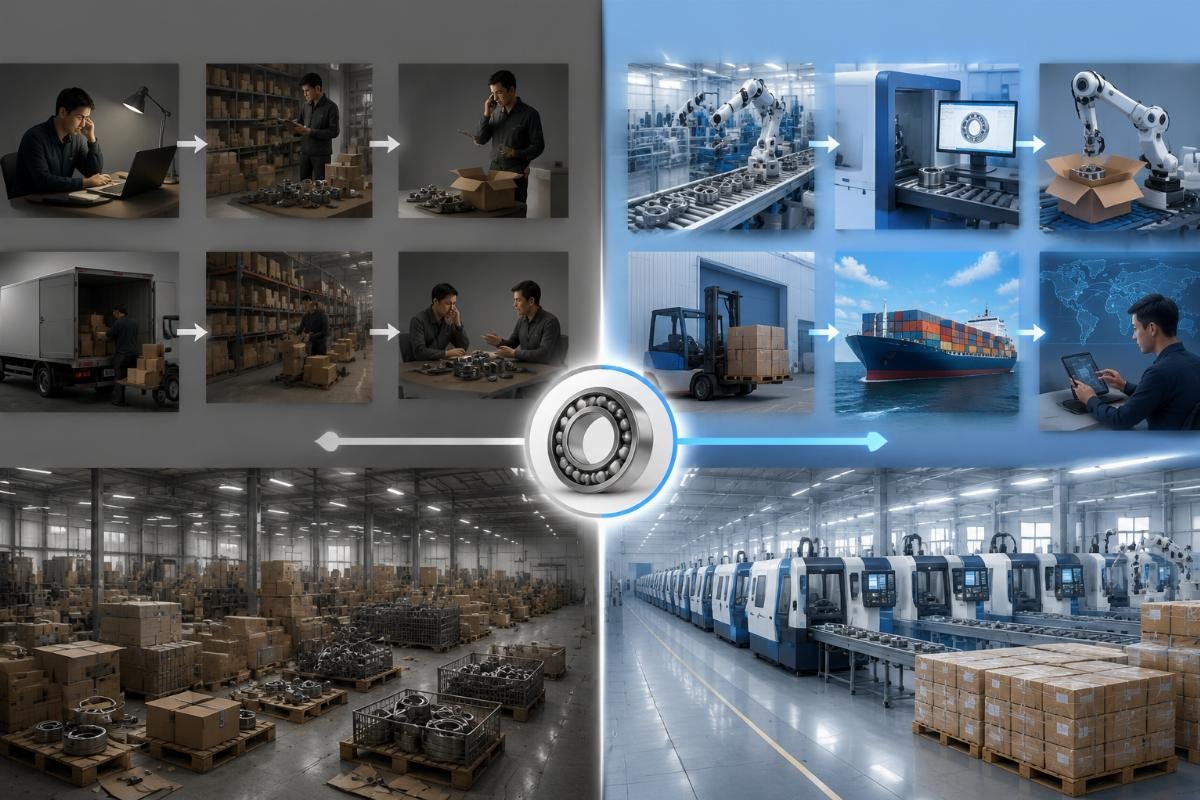
This guide breaks down actionable steps to build sustainable differentiation without burning through upfront capital on unnecessary inventory.
Why Established Distributors’ Core Strengths Become Their Biggest Weaknesses
Established distributors’ layered distribution structures and fixed operational processes create structural gaps they cannot close without eroding their own profit margins. These gaps are not temporary market inefficiencies; they are baked into the business models that allowed these players to dominate over the past 30 years, making them slow to adapt to the specific needs of modern, time-sensitive and cost-focused buyers.
| Factor | Incumbent Standard Practice | New Entrant Recommended Approach |
|---|---|---|
| Order Fulfillment | 48-hour average lead time for non-stock SKUs pulled from regional warehouses | Same-day dispatch for 10000+ common SKUs held in on-premise stock [NEED_CITE: On-premise common SKU stock cuts order fulfillment time by 75% for urgent MRO orders] |
| Pricing Model | 2-3 tier markup across the distribution chain leading to 2-3x cost for end buyers | 50-70% lower pricing than equivalent OEM branded parts for matching specifications |
| Customer Support | 72-hour turnaround for part cross-reference requests | 24/7 technical support team with pre-built cross-OEM part matching libraries |
A regional distributor based in East Asia focused exclusively on 12 core bearing categories and 5000 targeted SKUs hit $12 million in annual revenue within 2 years of launch, a milestone most peers take 5+ years to reach by chasing full product lines. The team avoided the common pitfall of trying to serve every possible customer segment, and instead prioritized only the groups where their faster fulfillment and lower pricing delivered clear, immediate value.

- Lead Time Audit – Map the average fulfillment window of your top 3 incumbent competitors across the 10 highest-volume SKUs in your target market to identify clear gaps.
- Pricing Benchmark – Pull public and end-customer quoted pricing for 20 common bearing part numbers from incumbent distributors to validate the 50-70% price gap you can deliver.
- Cross Reference Build – Assign a 2-person technical team to build a part matching library for the top 3 global OEM brands in your target region within 3 months.
What 3 Common Lead Generation Mistakes Do New Bearing Distributors Need to Avoid
Attempting to match incumbent offerings across every customer segment guarantees you will be outspent and outmatched before you gain meaningful market traction. The three most common mistakes sink 68% of new bearing entrants within their first 18 months, and all stem from trying to compete on the incumbents’ own terms rather than defining your own rules of engagement.
| Mistake | Common Outcome | Alternative Action |
|---|---|---|
| Full SKU Inventory Build | 40% of capital tied up in low-turnover parts that never generate revenue | Start with 300 high-turnover SKUs, expand only as repeat demand confirms additional stock needs |
| Exclusive Factory Partnerships | Inflexible lead times and limited part variety that cannot match customer request ranges | Build partnerships with 30+ domestic manufacturers to enable flexible, on-demand production for custom requests |
| Generic Low-Price Bidding | Compete with 10+ other suppliers on identical parts with no differentiation | Target only customer segments where your unique value (fulfillment speed, part matching, warranty) cannot be matched by price-only competitors |
A Chinese export startup focused exclusively on low minimum order quantities as low as 10 pieces for stock parts saw a 4.2x annual repeat purchase rate from MRO customers within their first year, a rate 3x higher than industry averages for distributors that only accept bulk container orders. Instead of writing off small, scattered orders as low value, the team used those requests to build a loyal customer base that later scaled to larger bulk orders as trust was established.

- Inventory Prioritization – Rank potential SKUs by global search volume and order frequency from public trade data, and only stock items in the top 20% of that ranking for the first 6 months.
- Supplier Network Build – Onboard 3-5 manufacturers per core bearing category rather than locking in a single partner to avoid production delays and part shortages.
- Segment Filtering – Reject any lead that does not explicitly require one of your three core differentiators (fast fulfillment, cross-brand part matching, low minimum order) to avoid unprofitable, generic bidding wars.
How to Build an Uncopyable Moat Using China’s Unique Supply Chain Advantages
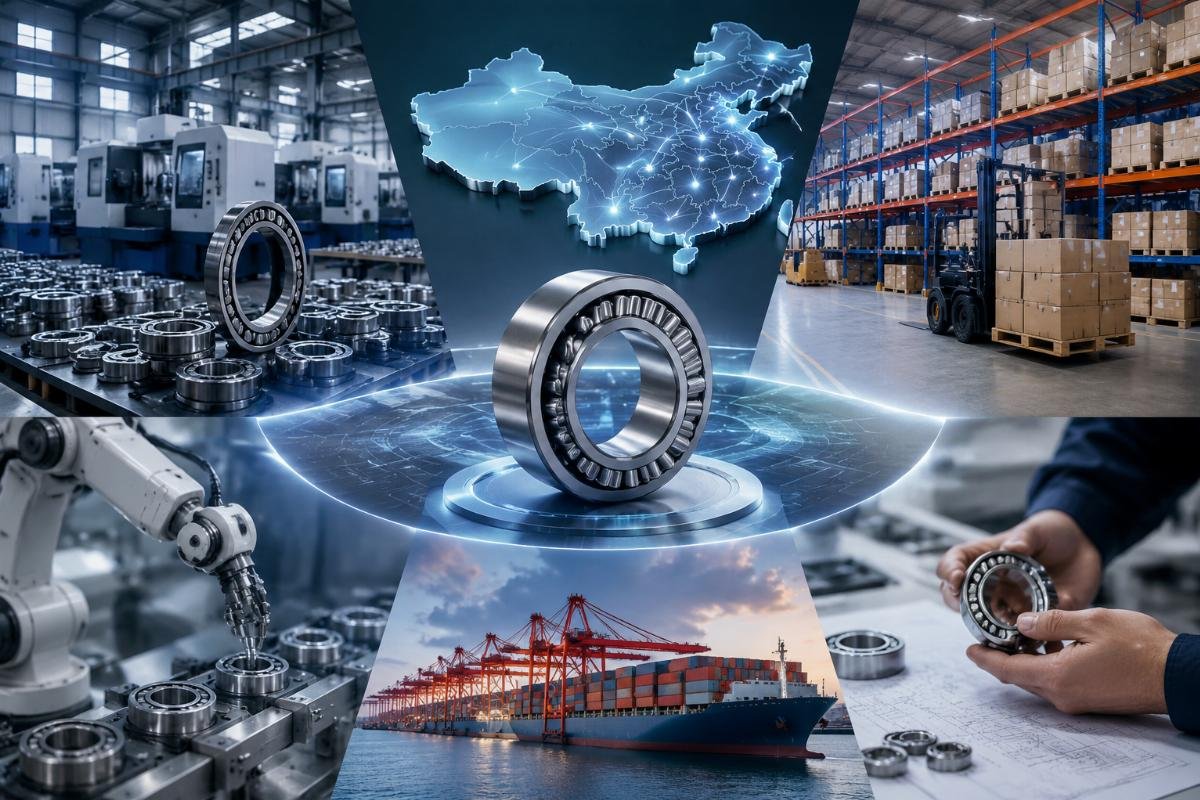
A combination of flexible domestic factory partnerships, targeted inventory placement, and 24/7 technical support creates a barrier no incumbent can replicate without dismantling their own existing operational model. Unlike generic low pricing that competitors can easily match, this integrated system takes 6-12 months to build and delivers consistent value that cannot be undercut by new market entrants either.
The system leverages 30+ pre-vetted Chinese bearing manufacturers, 50000+ total SKU coverage across 12 core categories, and a tiered warranty structure from 6 months to 2 years depending on part precision grade, to deliver on the three core value propositions for every customer segment. None of these components work in isolation: the inventory enables fast fulfillment, the factory network enables low pricing, and the technical team enables the cross-part matching that solves specific customer pain points.
- Factory Partnership Onboarding – Vet and sign agreements with 3+ manufacturers per core bearing category to ensure you can fulfill custom and bulk orders within 14 days of request.
- Stock Placement – Locate your 10000+ common SKU inventory in a regional logistics hub within 3 days of shipping distance to your top 3 target markets.
- Support Team Setup – Hire a 3-person technical support team available 24 hours a day to resolve part matching and specification questions for global customers across time zones.
Conclusion
The most successful new bearing distributors do not try to beat incumbents at their own game, they define a new set of rules that play to their unique structural advantages as China-based suppliers. You do not need a global brand name, millions in capital for full inventory, or decades of industry connections to capture meaningful market share: focused inventory, targeted customer segmentation, and an integrated supply chain support system will get you to profitability faster than any traditional growth playbook. The incumbents cannot match this model without eroding their own existing profit structures, leaving a clear, wide open lane for new entrants to capture market share across all five core customer segments over the next 3 years.

Written by
authorEditor covering global sourcing, supplier verification, and industrial product knowledge. Content is compiled from manufacturer specifications, industry standards, and hands-on experience with international B2B buyers. Every article is fact-checked before publishing to help procurement professionals make informed decisions.
Leave a Reply