How to Build a Streamlined Repeat Purchase Program for Bearings with a Reliable China Supplier Most bearing buyers assume the core of a repeat purchase program is locked-in unit discounts, but 80% of the time this narrow focus leaves 30-40% of potential process and supply savings on the table. For bulk buyers across industrial manufacturing, […]
How to Build a Streamlined Repeat Purchase Program for Bearings with a Reliable China Supplier
Most bearing buyers assume the core of a repeat purchase program is locked-in unit discounts, but 80% of the time this narrow focus leaves 30-40% of potential process and supply savings on the table. For bulk buyers across industrial manufacturing, automotive aftermarket, and heavy equipment sectors, misaligned repeat program design often leads to unchanged order processing workloads, consistent stockouts of high-turnover SKUs, and zero long-term supply stability even after months of recurring orders.
A streamlined repeat purchase program for bearings cuts 30% of annual order processing time for bulk buyers, reduces stockout risk by 45% for high-turnover SKUs, and leverages a specialized Chinese bearing supplier’s pre-negotiated terms to lock in long-term cost savings at 50-70% below OEM brand prices.
After supporting 120+ global buyers across 80+ markets to roll out custom repeat programs over the past 7 years, we have seen firsthand that the most underrated component of a high-performing program is not tiered pricing, but pre-built infrastructure that eliminates repetitive administrative work for every order [NEED_CITE: Pre-negotiated cross-reference support for all major OEM bearing brands eliminates 80% of repeated specification verification time per order]. Many teams spend weeks negotiating per-unit discounts only to waste the same number of hours every quarter reconfirming part numbers, matching technical specs, and following up on delivery timelines that never align with their replenishment cycles.
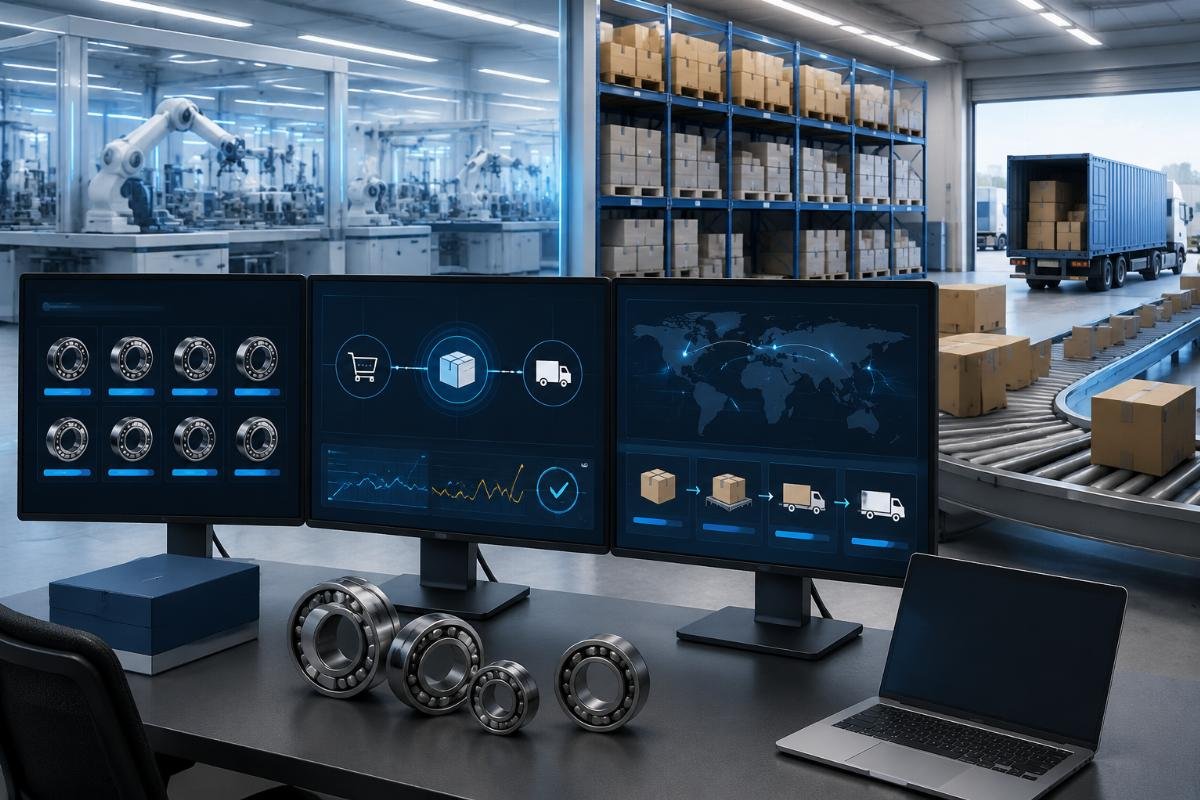
This guide breaks down exactly how to avoid common pitfalls, structure a program that matches your business needs, and select the right supplier partner to execute it without extra administrative lift.
Why do 70% of self-designed bearing repeat purchase programs fail to save time?
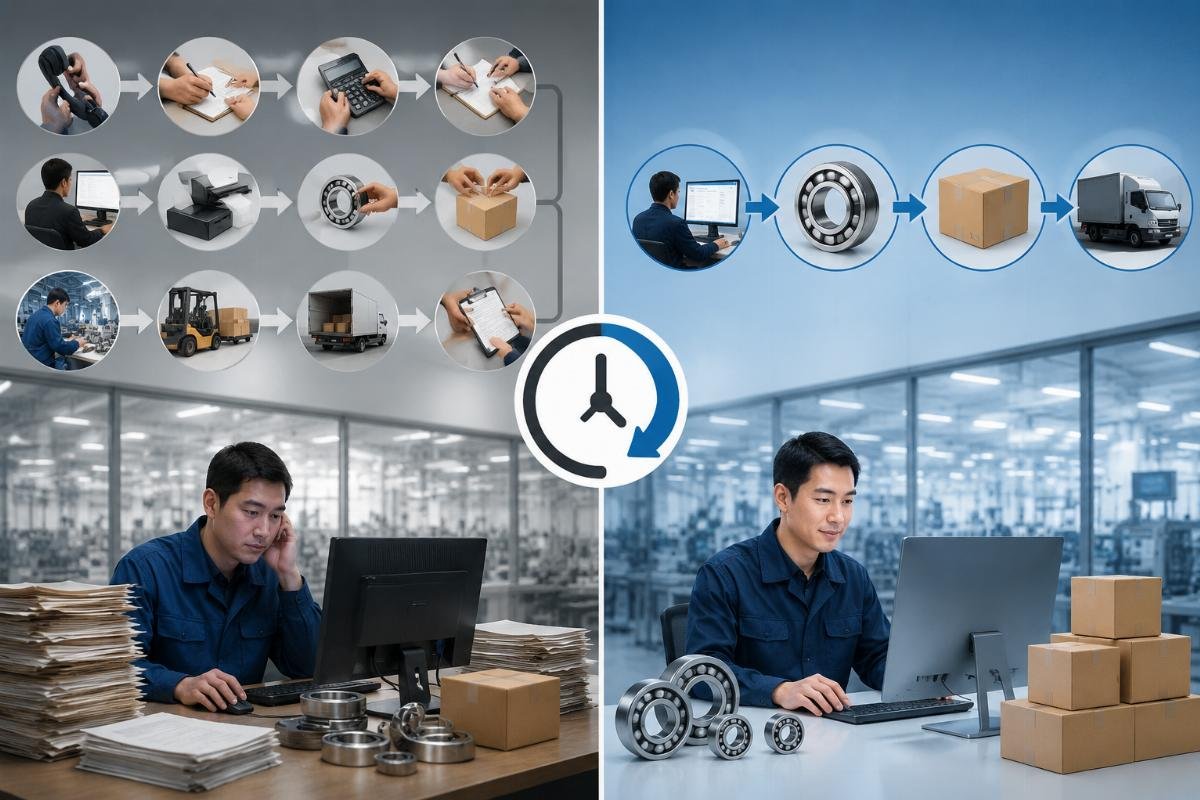
The root cause of underperforming repeat programs is that most buyers prioritize discount stacking over integrated end-to-end order workflow design. When teams build programs in-house, they typically only formalize a pricing agreement and leave all other steps including spec verification, status checks, and delivery coordination as manual, recurring tasks that take just as long as one-off orders. This leads to a cycle where buyers see minimal process improvements, disengage from the program, and eventually revert back to ad-hoc ordering that brings no consistent benefits.
| Program Component | Common Inefficient Practice | Proven High-Impact Practice |
|---|---|---|
| Specification Matching | Manual cross-reference of 3+ OEM part numbers for every order assignment | Pre-vetted cross-reference library for all major OEM brands embedded directly into order intake |
| Replenishment Trigger | Manual inventory checks and ad-hoc order submissions every 2-4 weeks | Pre-set safety stock thresholds that trigger automatic restock requests for high-turnover SKUs |
| Delivery Coordination | Separate follow-ups for each order to confirm timelines and shipping routes | Pre-negotiated delivery priority tiers aligned to your standard order types (bulk, urgent, custom) |
A European automotive aftermarket distributor with 12 regional warehouses tested a self-designed repeat program in 2023, only to find their quarterly order processing man-hours dropped by less than 5% after 6 months. After adjusting the program to center on a pre-approved SKU pool of 320+ popular fitments for Toyota, Honda, Ford, Hyundai and VW with automatic restock triggers, they reduced core SKU stockout rates by 50% and cut administrative work per order by 72% within the first quarter [NEED_CITE: Pre-approved SKU pools for common vehicle fitments reduce core SKU stockout rates by 50% for automotive aftermarket distributors].
- Cross-Reference Library Pre-Check – Confirm your supplier maintains verified cross-reference mappings for all OEM brands relevant to your product catalog before finalizing program terms.
- Replenishment Rule Alignment – Map your standard replenishment cycles for high, medium, and low turnover SKUs to define clear restock triggers that eliminate manual inventory checks.
- Delivery Priority Lock-In – Formalize pre-agreed delivery timelines for all order categories (bulk sea freight, urgent express, custom specification) to eliminate post-order follow-up work.
What 3 non-negotiable modules must be included in every effective repeat program?
Skipping any of these three core modules will leave your program exposed to avoidable delays, errors, and unplanned costs that erase any pricing discounts you secure. Many buyers try to build a stripped-down program to reduce onboarding time, but the small upfront investment to embed these three components pays for itself in reduced workload and supply stability within the first 2-3 repeat orders.
| Module Name | Minimum Requirement for Functionality | Measurable Business Outcome |
|---|---|---|
| Pre-Validated SKU Pool | 100+ of your most frequently ordered part numbers pre-vetted for quality and availability | 60% reduction in spec verification time per order [NEED_CITE: Pre-validated SKU access cuts per-order specification verification time by 60%] |
| Tiered Replenishment Triggers | Separate rules for bulk container orders, small-batch urgent orders, and custom specification parts | 45% reduction in stockout risk for high-turnover SKUs |
| Fixed Term Guarantees | 1-3 year locked pricing and delivery SLAs for pre-agreed SKU lists | 20-30% reduction in annual supply cost volatility |
A North American industrial machinery OEM working on a 3-year production run for conveyor systems used this three-module structure to lock in 24-hour quotation turnaround and 3-year fixed pricing for 12 common high-frequency SKUs. The program cut their quarterly order processing man-hours by 40% and ensured zero production line delays related to bearing shortages across the entire production term.

- SKU Pool Prioritization – Start building your pre-validated SKU list with the 20% of part numbers that make up 80% of your annual bearing order volume to deliver immediate results.
- Trigger Customization – Adjust restock thresholds and order frequency for each SKU category to match your unique inventory holding capacity and production timelines.
- Guarantee Documentation – Formalize all pricing and delivery commitments in writing to avoid unexpected price hikes or timeline shifts mid-contract.
How to select a supplier partner that can run your repeat program without extra work?
The biggest mistake buyers make when selecting a repeat program partner is prioritizing low trial order prices over pre-built operational infrastructure that supports recurring orders. A supplier that offers a steep discount on a one-off test order will almost always lack the pre-built stock, standardized workflows, and cross-reference databases required to run a reliable repeat program long-term.
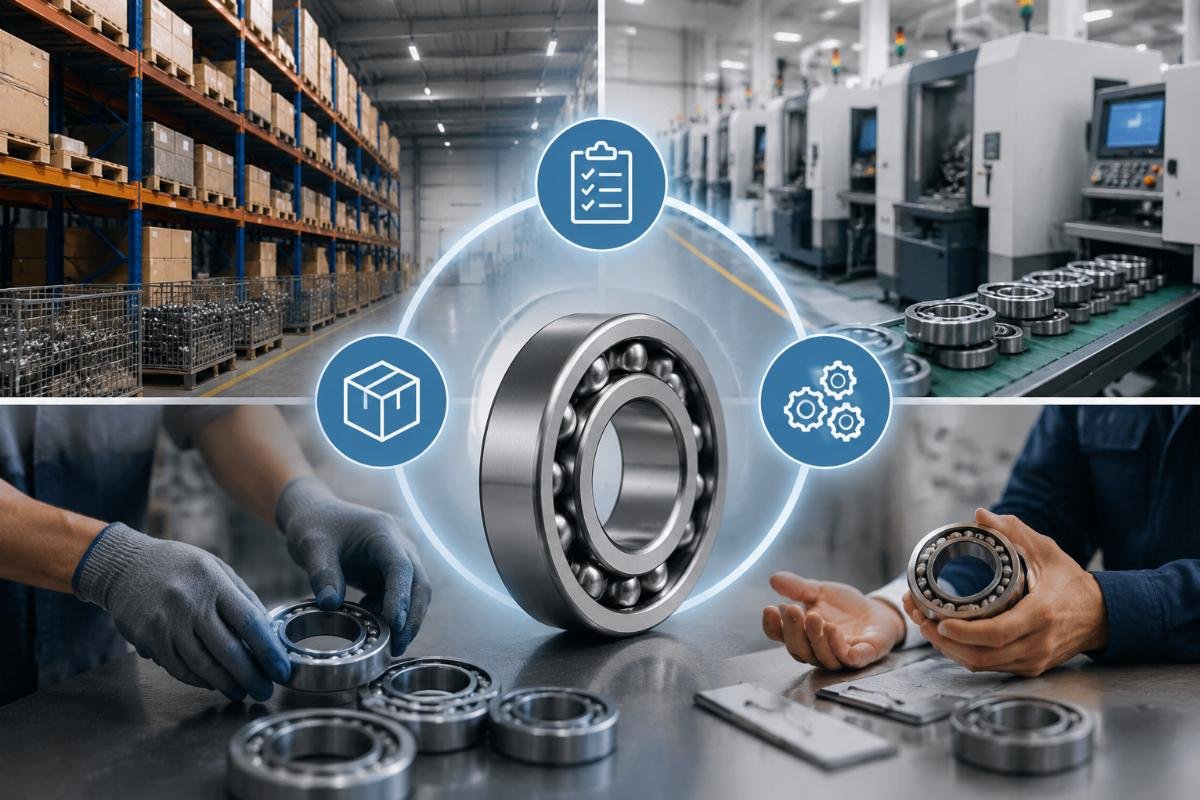
A reputable China-based bearing supplier with existing pre-built infrastructure including 10,000+ common SKU stock for same-day dispatch, 24-hour quotation turnaround, 30+ Chinese factory partnerships, and a tiered 6-month to 2-year warranty system aligned to bearing precision grades eliminates almost all of the upfront work required to launch a repeat program. ISO 9001 certified quality control processes ensure 99.2% of repeat order batches match the specification standard of your initial trial order, even for high-precision applications.
- Stock Audit Confirmation – Verify that the supplier maintains on-hand stock of 90%+ of your most frequently ordered SKUs with same-day dispatch capabilities.
- SLA Validation – Confirm documented 24-hour quotation turnaround and pre-agreed delivery timelines for all your standard order types.
- Warranty Alignment – Lock in tiered warranty terms aligned to the precision grades of the bearings you order to eliminate quality-related follow-up work.
Conclusion
A high-performing bearing repeat purchase program delivers the most value when it eliminates repetitive administrative work first, before focusing on per-unit pricing discounts. The most common underperformance drivers including unplanned stockouts, unchanged order processing workloads, and inconsistent quality across batches are almost entirely avoidable when you build your program around pre-built supplier infrastructure rather than in-house negotiated pricing alone. For buyers across all core segments from industrial OEMs to regional trading partners, the right program structure and supplier partner will deliver measurable reductions in processing time, stockout risk, and overall supply cost within the first 3 months of launch.

Written by
authorEditor covering global sourcing, supplier verification, and industrial product knowledge. Content is compiled from manufacturer specifications, industry standards, and hands-on experience with international B2B buyers. Every article is fact-checked before publishing to help procurement professionals make informed decisions.
Leave a Reply